
Last updated November 20, 2026
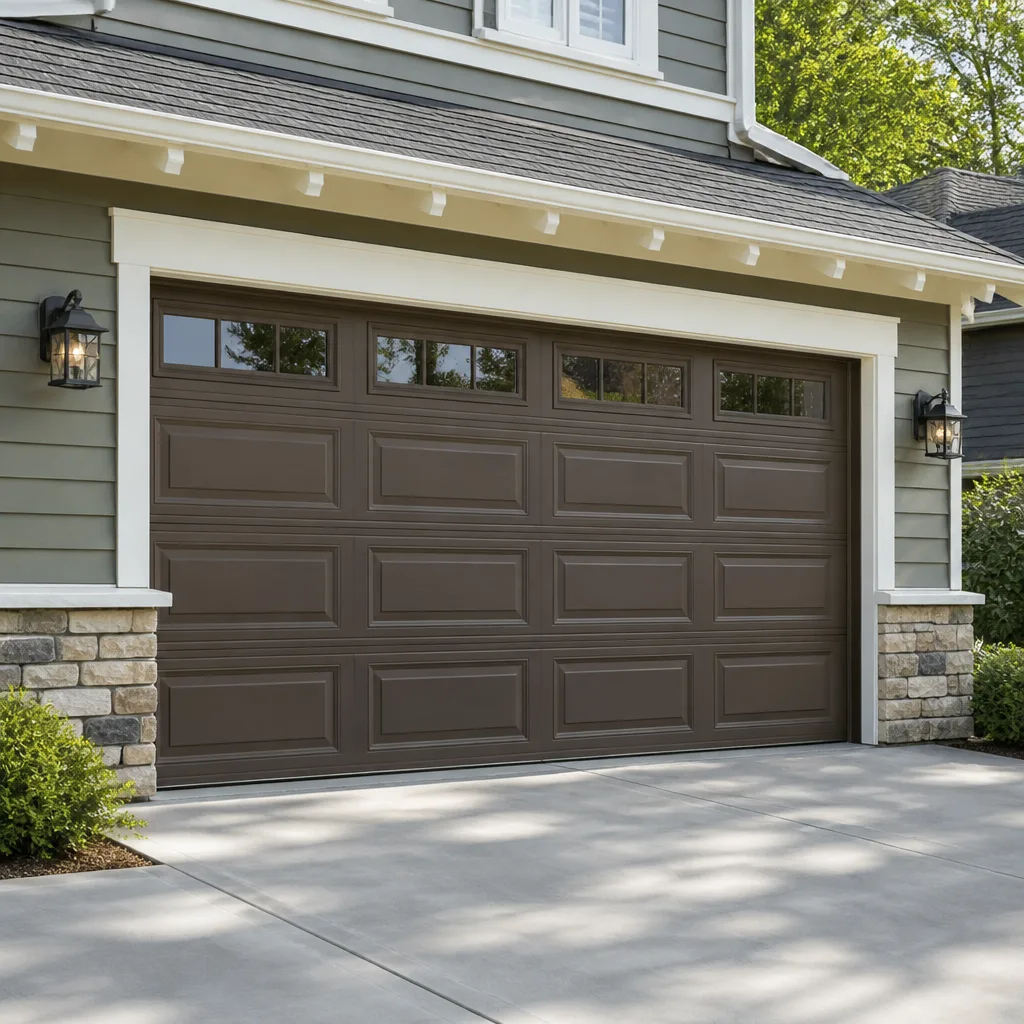 Raised-panel steel
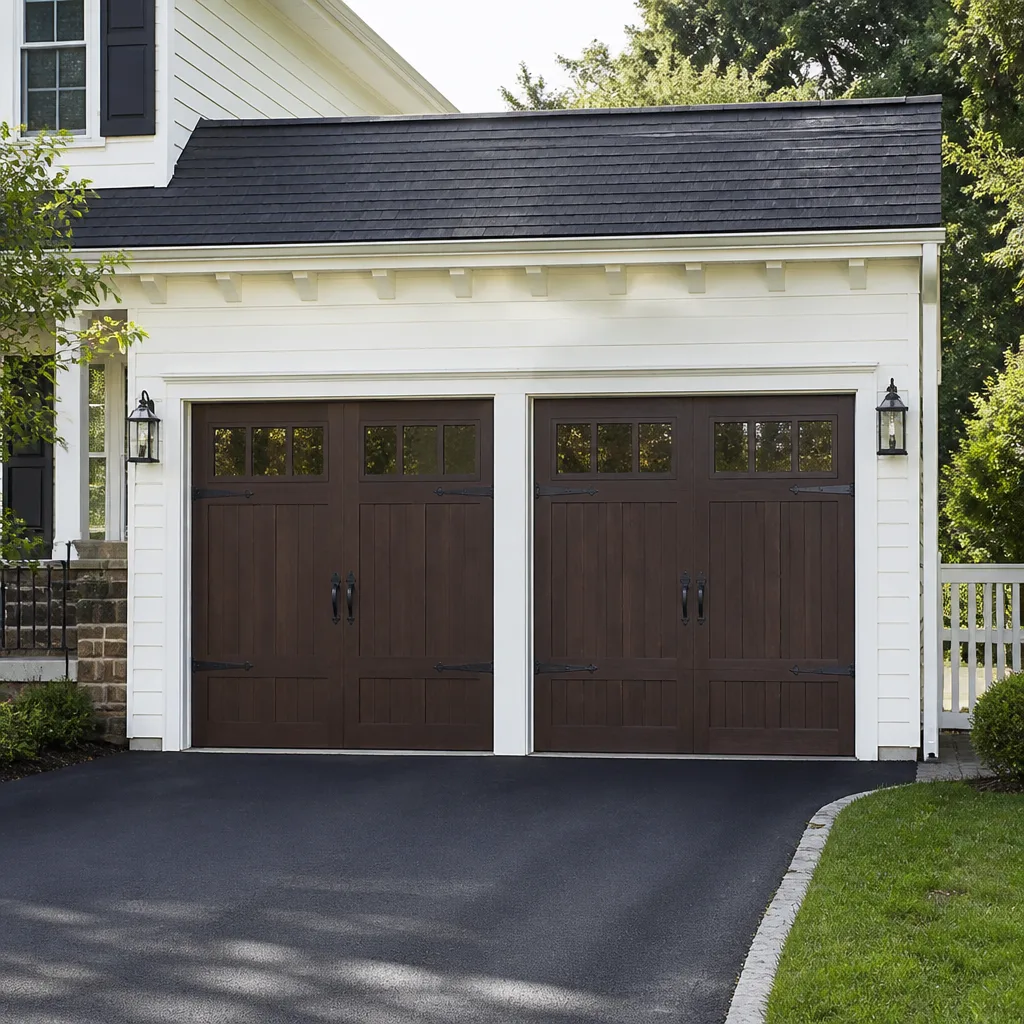 Carriage house
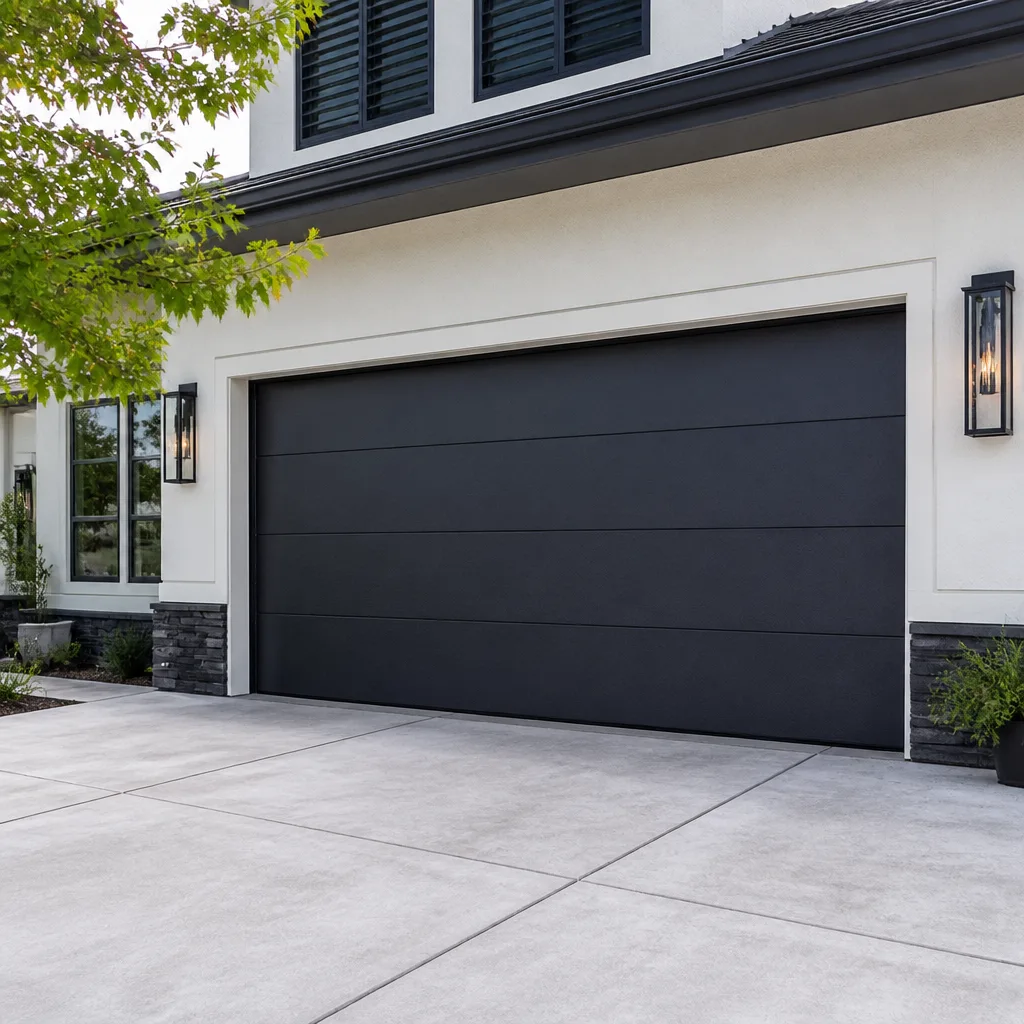 Modern flush
 Full-view glass
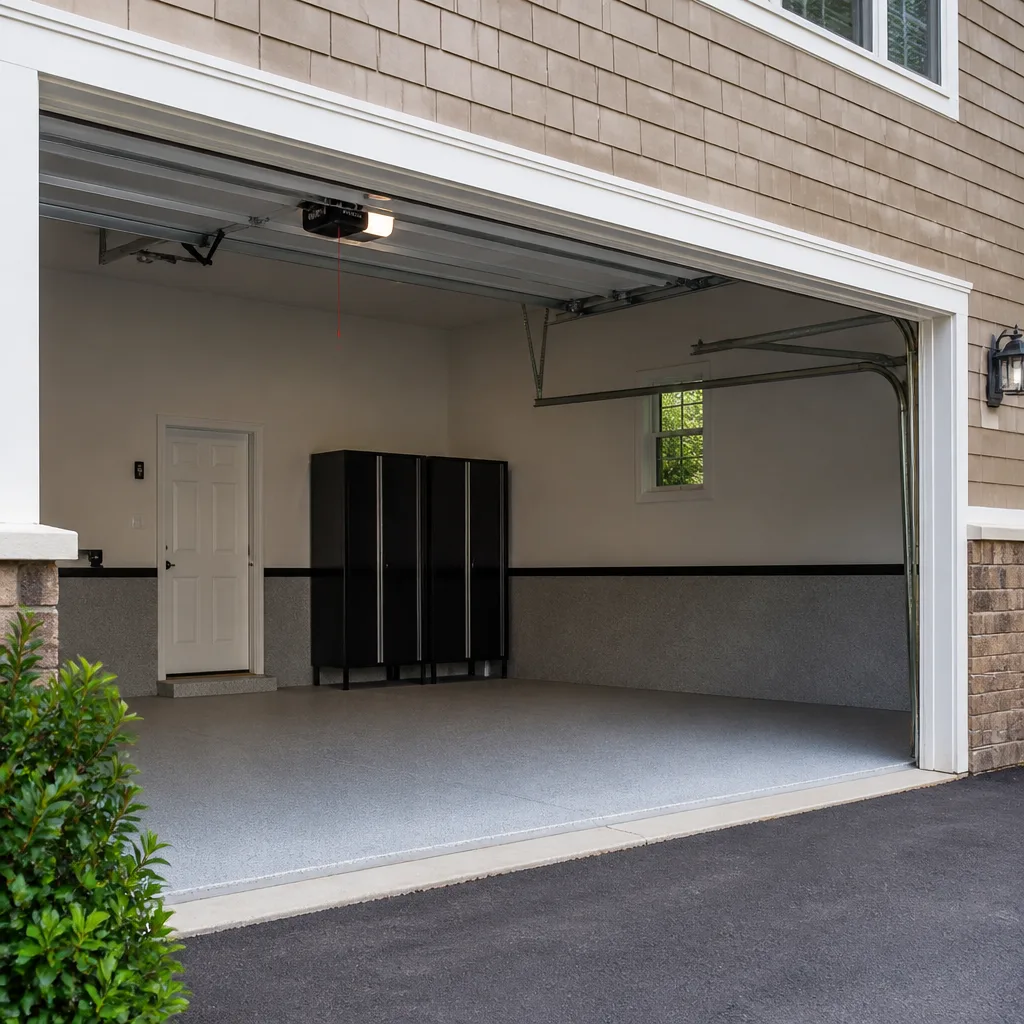 LiftMaster openers
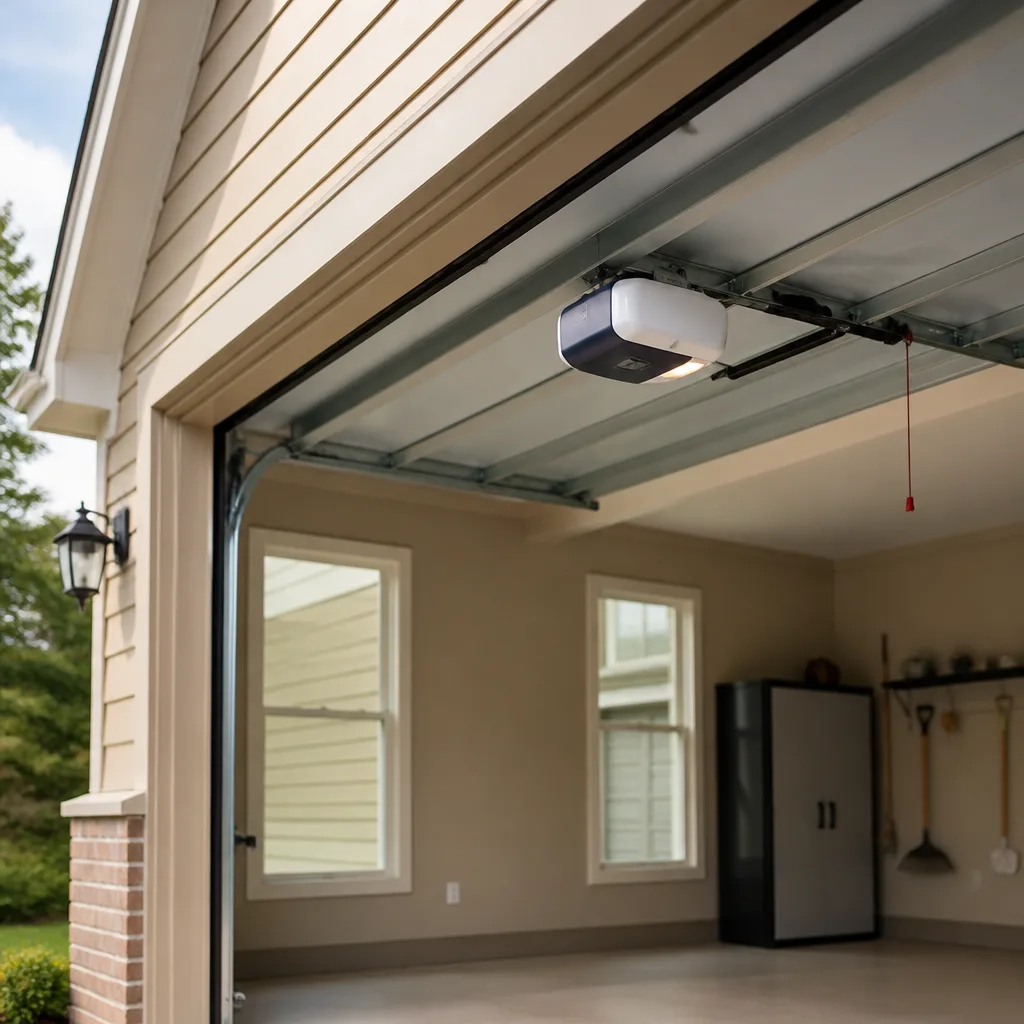 Chamberlain openers
Full 25-point door and opener safety check with every visit - springs, cables, rollers, tracks, and your LiftMaster or Chamberlain opener included
You get a price before we start. It does not change when the pro arrives.
Get your free estimateDIY vs Professional Garage Door: The Geist Homeowner’s Decision Guide
A torsion spring stores roughly 100 foot-pounds of torque. When a homeowner with some YouTube confidence and the wrong winding bars goes after that spring, the energy doesn’t care about confidence. It releases into whatever is in front of it. That fact alone doesn’t mean every garage door job belongs to a professional, though. Most of the parts on your door – the weatherstripping, the rollers, the lubrication points, the limit switches – are genuinely within reach of a careful homeowner. The trick is knowing exactly where that line sits, and the line is sharper than most people assume. This guide draws it precisely for Geist homeowners, so you neither over-hire small jobs nor underestimate the ones that can hurt you.
Quick Answer
Safe DIY work on a garage door is limited to low-tension, low-consequence parts: weatherstripping, lubrication, roller swaps on extension spring systems, and limit switch adjustments on your opener. Everything involving springs, cables under tension, or track realignment beyond a minor nudge belongs to a trained technician. If you’re unsure which category your job falls into, that uncertainty is your answer – call a specialist before you touch anything.
Styles & brands we work with
- Raised-panel steel
- Carriage house
- Modern flush
- Full-view glass
- LiftMaster openers
- Chamberlain openers
Table of Contents
- Where the DIY Line Actually Sits
- The No-DIY List: Tasks With Catastrophic Risk
- What’s Genuinely Safe for a Capable Homeowner
- How to Evaluate Your Own Garage Door Situation
- The Hidden Cost of DIY Mistakes
- Why a Door That “Works Fine” Can Still Fail
- What Geist Weather Does to a Marginal Repair
- Common Mistakes to Avoid
- When to Call a Professional
- Frequently Asked Questions
Where the DIY Line Actually Sits
The DIY versus professional question gets framed as a skill issue. It isn’t. It’s a mechanical-energy issue. A garage door is a counterweight system, and the counterweight is stored energy that wants to move. Some components hold very little of that energy when the door is down. Others hold all of it, all the time. Your competence level determines whether you can do a task correctly. It doesn’t change what happens when a component under tension lets go.
That’s why the useful split isn’t “easy jobs versus hard jobs.” It’s “jobs where a mistake means a redo versus jobs where a mistake means an injury.” A weather seal installed crooked is a redo. A torsion spring released mid-wind is a trip to the emergency room. Once you sort tasks by consequence rather than difficulty, the line draws itself.
For Geist homeowners, this matters daily. Most houses here have an attached two-car garage that serves as the main entry point, the storage room, and the pass-through to the kitchen. When the door is down, the house doesn’t function normally. That pressure to fix it fast is exactly what pushes people toward a DIY attempt they weren’t equipped for. Knowing the line in advance is how you avoid making that call badly at 7 a.m.
Here’s the short version we give people who ask: if the task requires you to relieve tension from a spring or a cable to do it, it’s out of DIY territory. Everything else deserves a real look on its own merits.
The No-DIY List: Tasks With Catastrophic Risk
Three garage door jobs belong to a trained technician, full stop. Not because homeowners aren’t smart enough, but because the failure mode is physical injury and the margin for error is measured in inches. Spring replacement done right is the core of this list.
Torsion spring replacement. A torsion spring is wound to a specific number of turns to counterbalance the door’s weight. To remove or adjust it, you have to release that stored torque in a controlled way using winding bars seated in the winding cone. If a bar slips out under load, it becomes a projectile, and the spring unwinds in a fraction of a second. Professional technicians use matched bars and a technique built around keeping their body out of the release path. There is no safe shortcut here, and no video substitutes for having done it a hundred times.
Cable replacement under tension. The lift cables run from the bottom bracket, around the drum, and up to the spring system. They are under load whenever the spring is wound – which is always, on a door in service. A cable that slips free of the drum while tensioned can whip with enough force to break a bone. Cutting or releasing a tensioned cable as a DIY project is one of the most dangerous things a homeowner can attempt in a garage.
Track realignment beyond a minor adjustment. A slightly loose track bolt you can snug up. A bent or knocked-out-of-plumb track that requires loosening the mounting to reposition is a different job. Move a track with the door’s weight still riding on it and you can bind the door, bend panels, or drop the door out of the opening. Track geometry controls how the whole system moves, and small errors compound.
There’s a fourth category worth naming: bottom brackets. They anchor the cable at the bottom of the door and are under constant tension. They look like a simple bolt-on part. They are not.
What’s Genuinely Safe for a Capable Homeowner
Plenty of garage door maintenance is well within reach, and we’d rather tell you that plainly than pretend every task needs us. These jobs involve no stored spring energy and no tensioned cables, which is what makes them safe.
Weatherstripping replacement. The bottom seal and the perimeter stops keep rain, cold air, and pests out of your garage. They wear out and crack. Replacing them means pulling the old seal out of its retainer and sliding a new one in, or unscrewing and re-nailing the side stops. No tension involved.
Roller swaps on extension spring systems. If your door uses extension springs (the ones that run parallel to the horizontal tracks on each side), the rollers are typically a straightforward swap with the door in the down position. Unbolt the hinge, slide the old roller out, slide the new one in. On torsion systems, the springs sit above the door, and roller work is still low-risk but you want the door fully down and the opener disconnected.
Lubrication. The single highest-value maintenance task on any door. A garage door has hinges, rollers, and a torsion bar or extension springs, and each has its own lubrication needs. Hinges and rollers take a light grease or a dedicated garage door lubricant. Springs take a spray lubricant, not grease, so they don’t collect grit. Do this twice a year and you’ll extend the life of every moving part on the door.
Limit switch adjustment. If your opener stops the door an inch short of the floor or reverses too early on the way down, the travel limits on the opener are likely out of adjustment. On most LiftMaster and Craftsman units, this is a screw or two on the back or side of the motor housing with a clear up/down indicator. Adjust in small increments, test after each change, and you’ll dial it in without touching anything tensioned.
That’s the safe list. If your job isn’t on it, or if you’re not sure whether it is, treat it as a professional job until someone qualified tells you otherwise.
How to Evaluate Your Own Garage Door Situation
Before you decide, know what you’re working on. Three questions will tell you most of what you need to know.
- What’s the age of the system? A door and opener that have been in service for more than fifteen years are likely at the point where parts fail in clusters. Fixing one thing often reveals the next. If your door is in that age range, plan for a professional assessment rather than piecemeal repairs.
- Torsion or extension springs? Look up. If you see a single horizontal bar across the top of the opening with one or two coiled springs wound around it, you have a torsion system. If you see springs running alongside the horizontal tracks on each side, you have extension springs. Torsion systems store far more energy and carry far more risk. Extension systems are somewhat more forgiving but still tensioned.
- Are parts still manufacturer-available? Older Wayne Dalton and Raynor doors often need specific hardware that isn’t on a shelf at the big-box store. If the exact part isn’t available, a “close enough” substitute is what turns a small repair into a larger one.
Two more quick checks are worth doing. First, run the door by hand with the opener released. If it doesn’t lift smoothly and stay put at the halfway point, the spring tension is off, and that’s a professional call. Second, look at the springs for visible gaps or a two-piece spring joined by a metal collar – that’s a sign of a spring that’s already broken and needs replacement, not adjustment.
The Hidden Cost of DIY Mistakes
A botched DIY repair often doesn’t announce itself. It shows up months later as a bigger bill somewhere else on the door. Understanding where that chain reaction goes is the best argument against a rushed attempt.
- A misadjusted spring burns out your opener. The spring system carries the door’s weight. The opener only has to lift the remaining imbalance. Set the spring tension wrong and the opener is suddenly hauling the full weight of the door every cycle. On a LiftMaster or Chamberlain unit, that extra load shortens the life of the motor, the gear assembly, and the drive. You saved a service call and bought a new opener instead.
- A cable set with the wrong tension destroys drums. The cable drum on each side has to wind the cable evenly and at the right tension. Set wrong, the cable rides unevenly, chews into the drum, and inside a few months the drum is scored beyond use. A drum replacement is a bigger job than the cable job you started with.
- A misaligned track wears rollers and hinges fast. A track that’s a fraction of an inch off plumb puts lateral load on every hinge and roller it carries. The door still opens and closes. It just eats through hardware, and the wear shows up as a rattle or a rough spot months after the adjustment.
None of these failures announce themselves with a bang. They show up as a rough cycle, a noisy door, or an opener that suddenly can’t lift what it used to. By the time the symptom is obvious, the damage has usually spread.
Why a Door That “Works Fine” Can Still Fail
This is the part most DIY-vs-pro articles skip. A door that runs smoothly after a homeowner repair can still be carrying a latent tension imbalance, and that imbalance is patient. It waits for conditions that stress the system, and in Geist those conditions arrive every winter.
Here’s the mechanism. A torsion spring is rated for a specific number of cycle turns, and it’s wound to a specific load for the weight of your door. If a repair leaves the spring wound to the wrong number of turns, or leaves the cables uneven from side to side, the door may still open and close. The opener compensates. The door doesn’t bind badly enough to notice. But the system is working harder than it should on every cycle, and the parts carrying that extra load are wearing at an accelerated rate.
Then the temperature drops. Steel contracts in the cold, and the spring loses some of its stored tension along with it. A spring that was just barely making it at 70 degrees may not be able to lift the door at all at 20 degrees. A cable that was slightly loose may slip its drum once the drum shrinks. A door that worked all summer stops opening in January.
We see this pattern in Geist every cold season. The door ran fine through the fall, and then one cold morning it wouldn’t come up. If you’ve done a repair yourself, or if the door has been doing anything unusual – a rough spot, a hesitation, a rattle – get it checked before the temperature turns. It’s a much cheaper conversation in October than in January.
What Geist Weather Does to a Marginal Repair
Geist’s climate is hard on garage doors in a specific way. The swings between summer humidity and winter freeze do more damage to marginal repairs than any single extreme condition.
In summer, the garage heats up and the humidity builds. Wood door panels swell, steel panels expand, and weather seals soften and stick to the floor. A door adjusted correctly in spring can start to bind slightly in July. That’s normal seasonal movement, and a correctly set system has enough margin to absorb it.
In winter, the opposite happens. Steel contracts, seals get stiff and brittle, and the door’s weight effectively goes up as the spring loses tension. Every part of the system that was already working at the edge of its range now fails. The limit switch that was set a hair too tight in the fall now reverses the door halfway down.
The practical takeaway: any repair you do on a Geist garage door should be tested at both ends of the temperature range, not just in the season you did it. If you change a seal in summer and it sticks by fall, it was set too tight. If you adjust a limit switch in summer, recheck it once the temperature drops below freezing.
For a door with any age on it, having the spring balance checked before winter is the single best way to avoid a cold-morning failure. It takes minutes and it catches tension issues before they become a breakdown.
Common Mistakes to Avoid
- Cutting a tensioned cable. This is the number one catastrophic mistake we hear about. A tensioned lift cable can whip with enough force to cause serious injury when cut. Never cut or release a cable on a spring-loaded door. Ever.
- Using the wrong winding bars. Screwdrivers, punches, and rod stock are not winding bars. They don’t seat properly in the winding cone and they slip under load. Get the right tool or get a technician.
- Adjusting spring tension to fix a door that “feels heavy.” A heavy-feeling door usually means a broken spring or worn rollers, not a tension setting problem. Winding a spring tighter to compensate is how people release one on themselves.
- Replacing a single torsion spring on a matched pair. If your door has two torsion springs and one breaks, replace both. The second spring has the same number of cycles on it and will fail next. Replacing one at a time doubles the risk and the labor cost.
- Disconnecting the opener and forgetting the door is now free. When you release the opener to test a door by hand, the door is yours to control. A door that’s out of balance can drop or run up fast. Keep the door in the down position when you’re not actively testing it.
- Skipping lubrication for years, then blaming the door. Dry hinges and rollers wear fast and make the door noisy and hard to operate. Twice-yearly lubrication prevents more problems than any single repair.
- Trying to fix an aged door rather than evaluating replacement. A twenty-year-old door with failing springs, worn hinges, and obsolete hardware can cost more to keep repairing than a new door. At some point the right question isn’t “how do I fix this” but “should I replace this.” Our garage door installation team can evaluate both options and give you the real numbers.
When to Call a Professional
Call a professional for anything involving a spring, a cable under tension, a track that needs more than a bolt snugged up, or a bottom bracket. Call if your door has any age on it and you’re not sure of its history. Call if the door lifts hard by hand, doesn’t stay put at halfway, or reverses on its own. Call if you’ve done a DIY repair and the door just doesn’t feel right afterward. And call before the first cold snap if the door has been doing anything unusual.
Our technicians have up to 12 years of experience, and we work on the systems most Geist homes have – LiftMaster, Chamberlain, Genie, Clopay, Amarr, Wayne Dalton, Craftsman, and Raynor. We’re a dedicated garage door specialist, not a general handyman who does doors on the side, so the diagnosis is specific to the door in front of us. We answer 24/7. Fast dispatch from 7am to 7pm, Sunday through Friday. Garage Door Repair Geist offers free estimates in Geist – call (855) 846-4618.
Frequently Asked Questions
No. Torsion spring replacement involves releasing and re-applying roughly 100 foot-pounds of stored torque, and the failure mode is serious injury. Even one slip of the winding bar under load can send it across the garage. Car accidents involving garage door springs happen to professionals occasionally – that risk is multiplied for anyone doing it the first time with improvised tools. Call a trained specialist. The cost of the repair is far less than the cost of an injury.
Yes, on most extension spring systems, and with care on torsion systems. The rollers themselves carry no spring tension – you unbolt the hinge, slide the old roller out, and slide the new one in with the door fully down. The job requires the door to be down and the opener released. If the door doesn’t move smoothly by hand afterward, stop and call.
Typical estimates for a single torsion spring replacement in Geist run in the range of $180-$340, and most repairs are done same day. A matched pair is usually replaced together, so a pair costs roughly twice that. The written estimate is the final price – quoted and agreed before any work starts. Call (855) 846-4618 for an exact quote. Estimates are free.
No. We quote the price in writing before any work starts, and that written estimate sets the final price. If we find something that changes the job – a broken bottom bracket, a bent track, a spring that needs a matched pair – we tell you before we proceed, so you can decide. You’re never quoted one number and billed another.
Same-day service is available for repair calls. We answer 24/7. Fast dispatch from 7am to 7pm, Sunday through Friday. If your call comes in outside dispatch hours, we’ll book you into the next opening. Call (855) 846-4618 – estimates are free, and a lot of door problems can be sorted the same day.
Run the door by hand with the opener released, and check three things: it lifts with even resistance from bottom to top, it stays put at the halfway point, and it doesn’t sound different from one side to the other. If any of those checks fail, the repair isn’t done – it just hasn’t failed visibly yet. Get it checked before winter.
The Bottom Line
The DIY-versus-professional question comes down to one rule: if a task requires relieving tension from a spring or a cable, it’s a professional job. If it’s weatherstripping, rollers, lubrication, or a limit switch, it’s genuinely within reach of a careful homeowner. Everything in between calls for a judgement – and the failure mode of getting that judgement wrong is either a redo or an injury. In Geist, with our temperature swings, a marginal repair that runs fine in summer can fall apart in the first cold week of winter. When in doubt, call a specialist and let the free estimate tell you whether it’s worth doing yourself. That’s a phone call, not a commitment, and it beats a guess every time.
Garage Door Repair Geist covers the full range of door work – from garage door repair to garage door opener repair and new door installation – for every major residential brand. Call (855) 846-4618 for a free estimate. We answer 24/7. Fast dispatch from 7am to 7pm, Sunday through Friday.
Written by the team at Garage Door Repair Geist.
See the difference
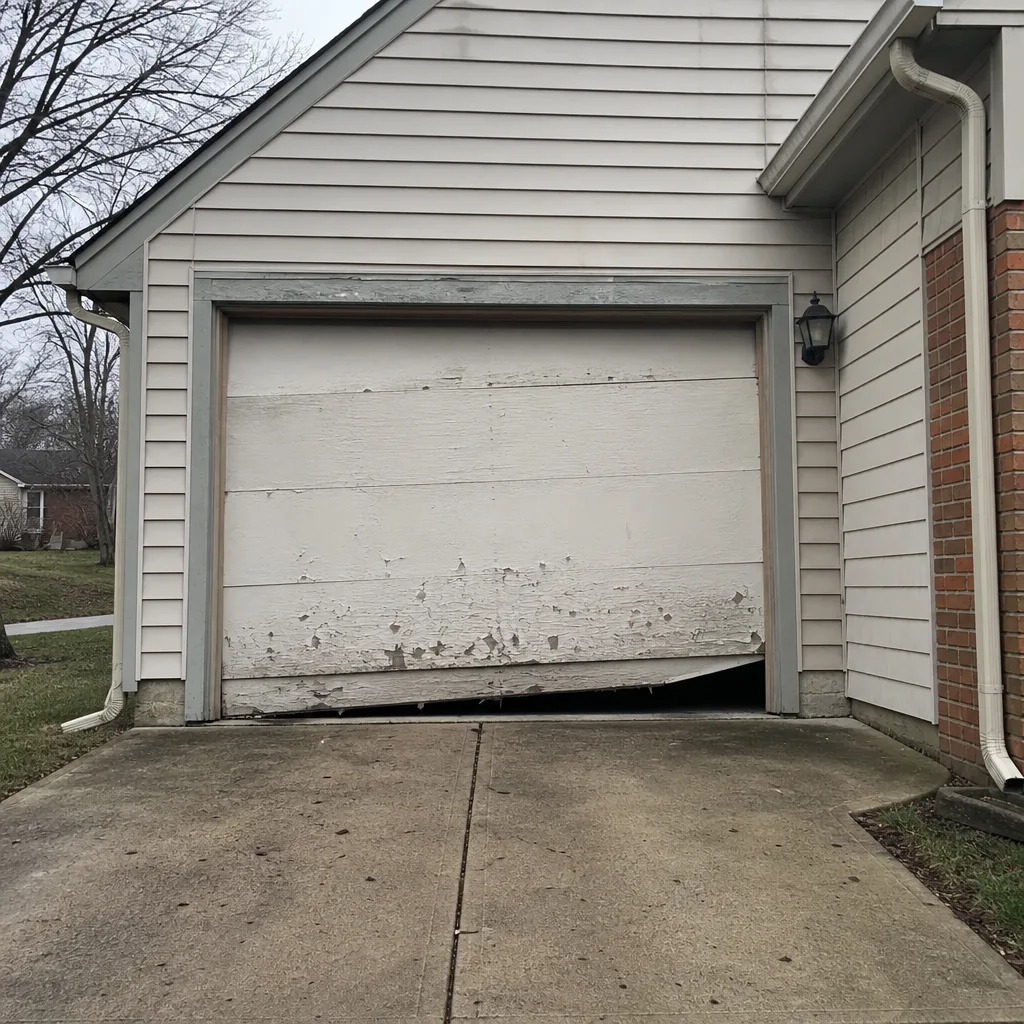 Before
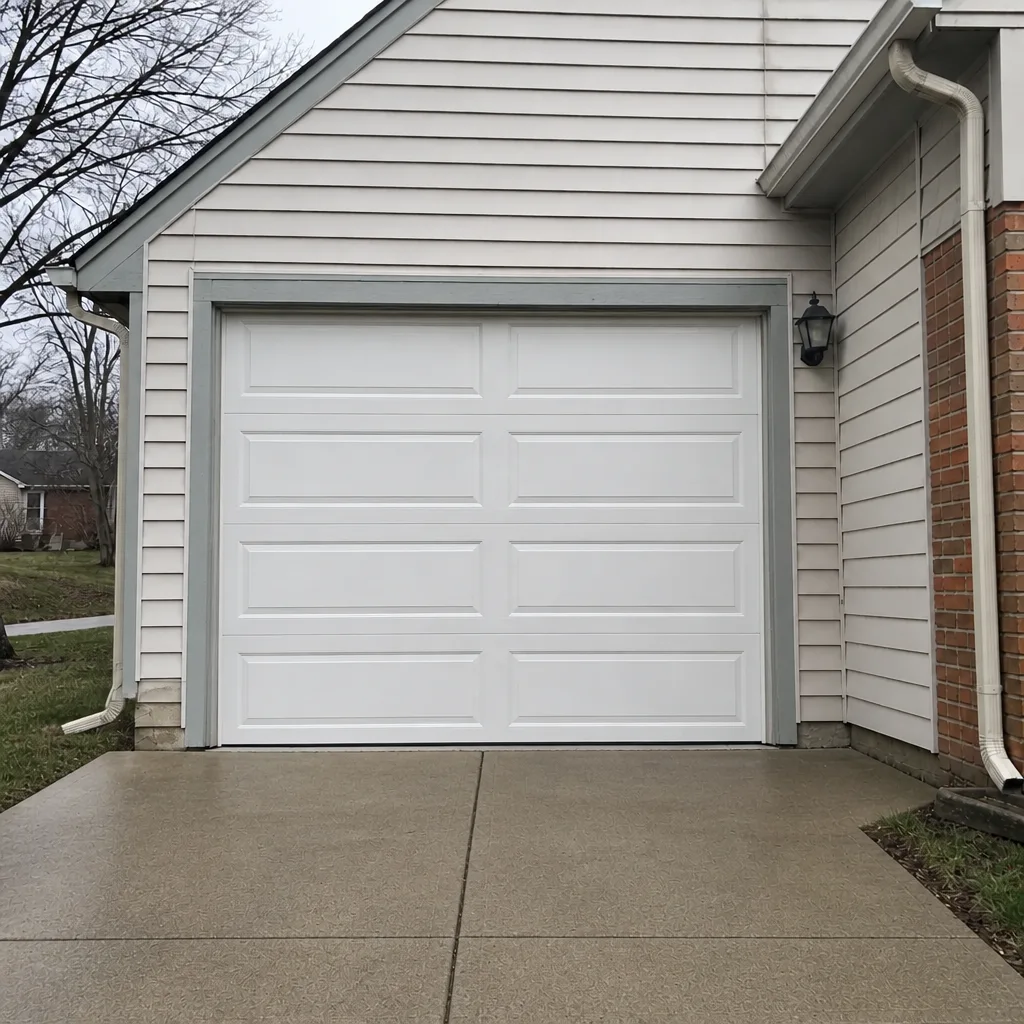 After
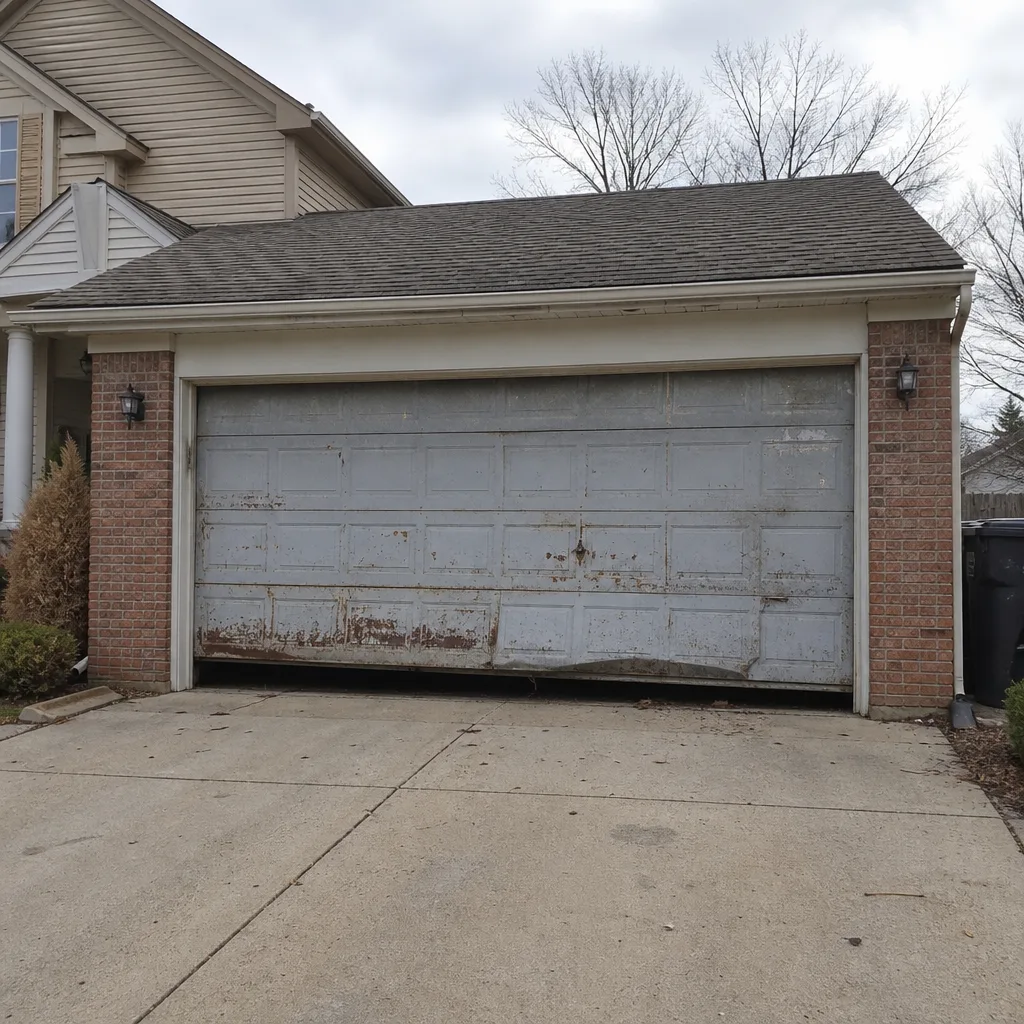 Before
 After
 Before
 After