
Last updated November 20, 2026
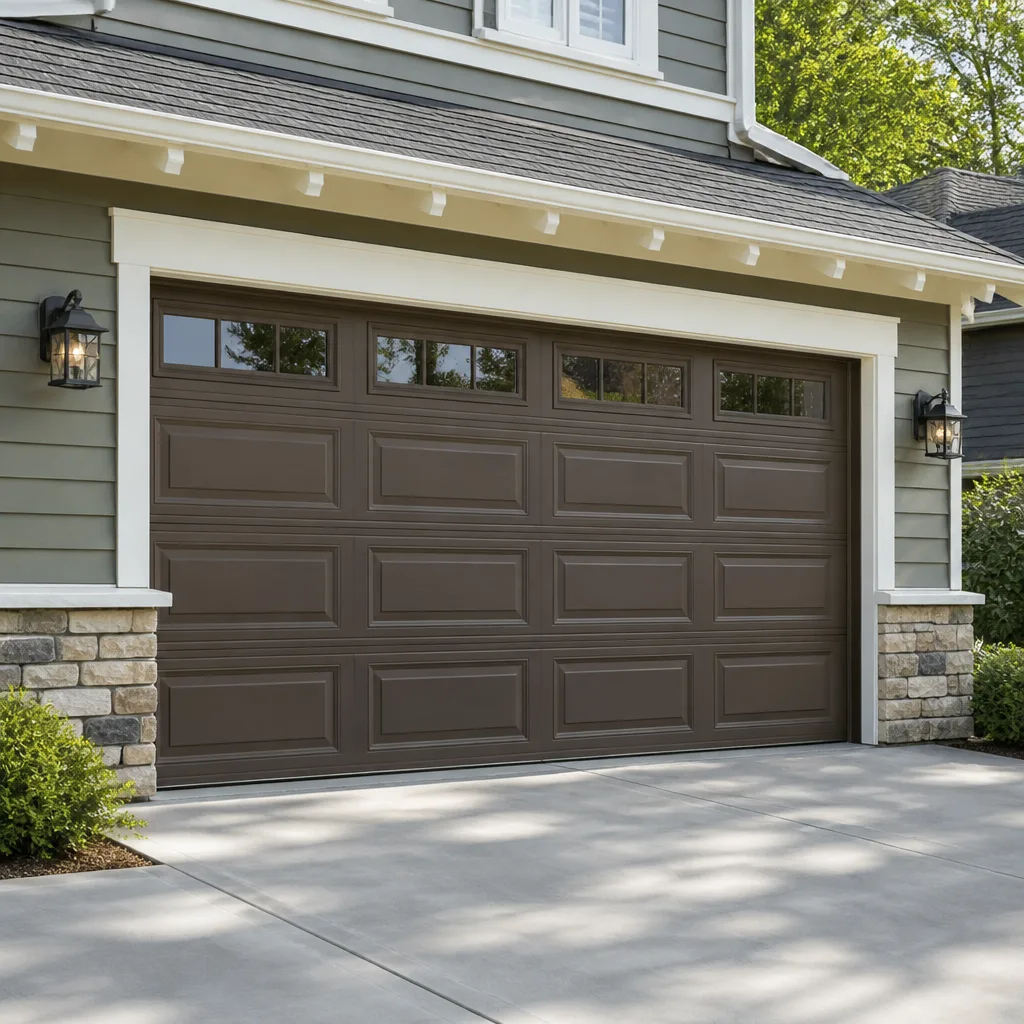 Raised-panel steel
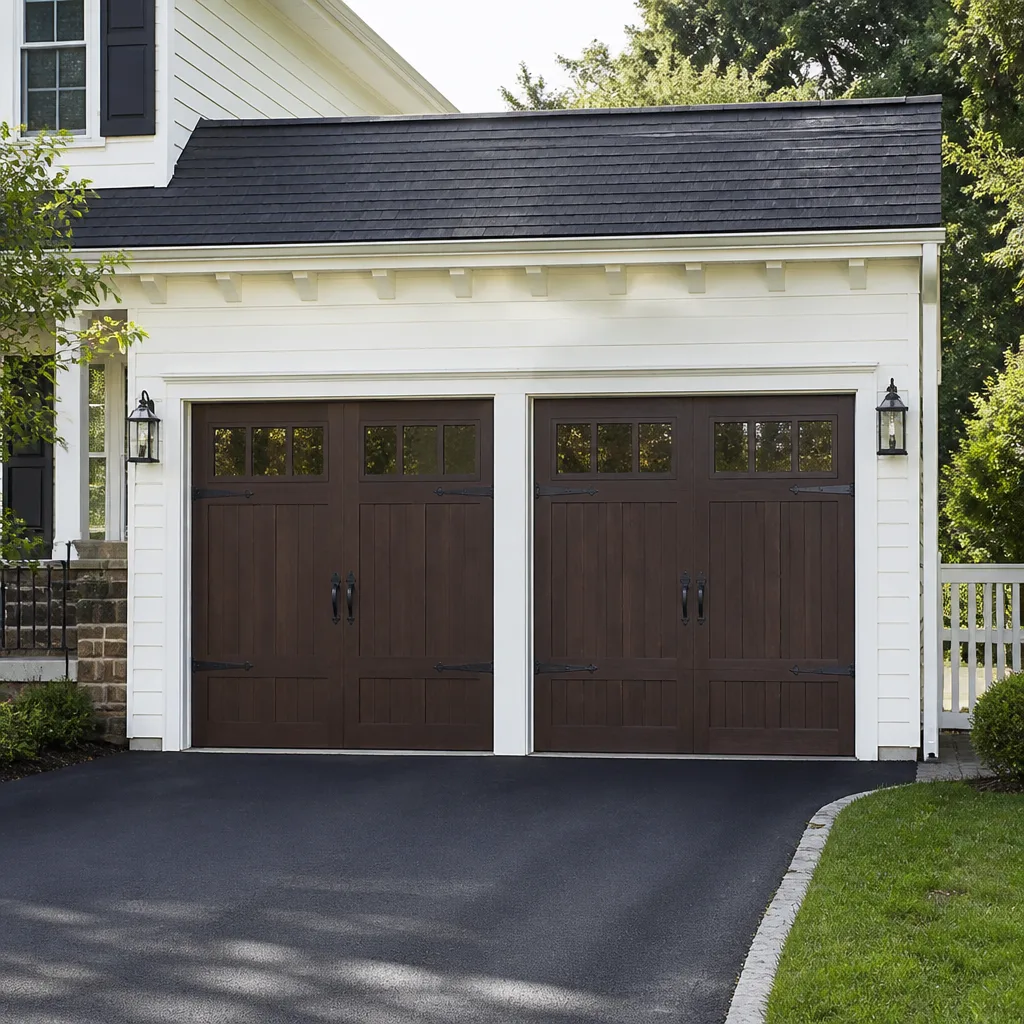 Carriage house
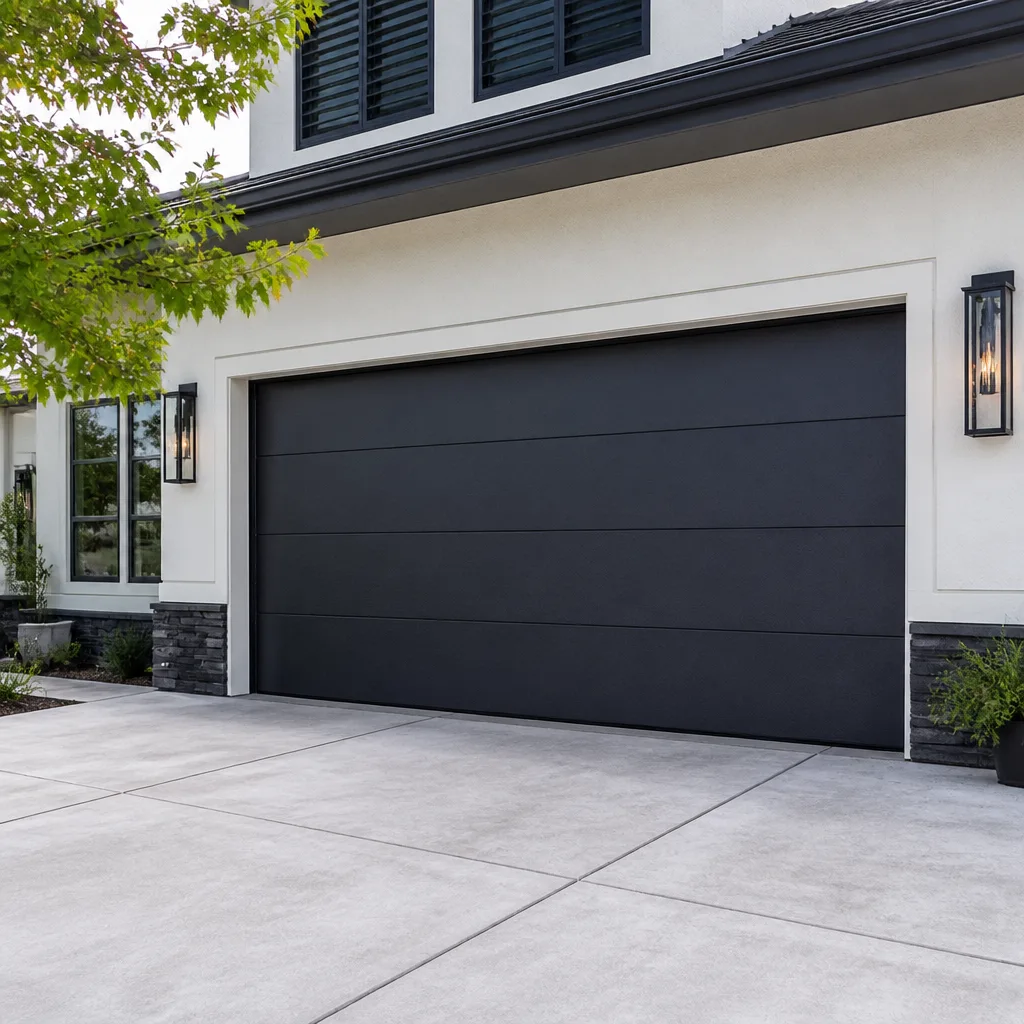 Modern flush
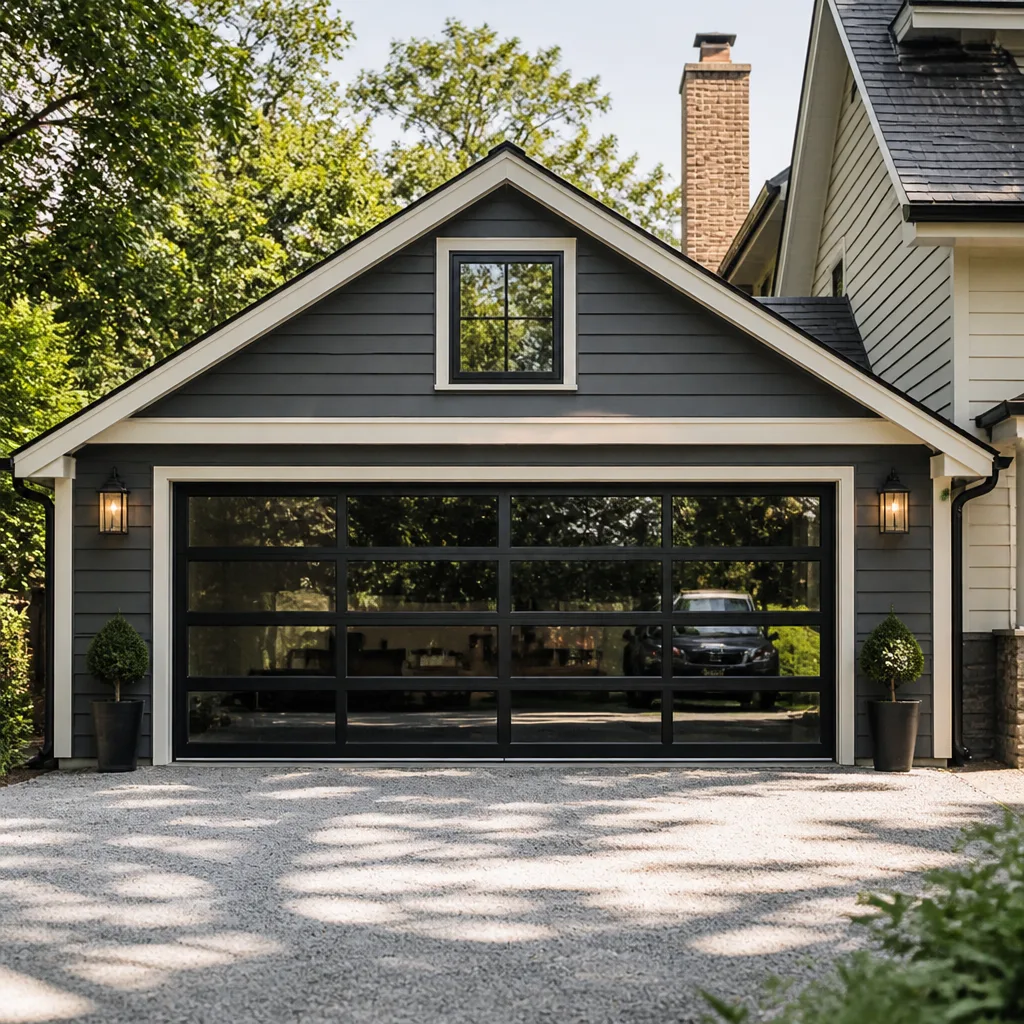 Full-view glass
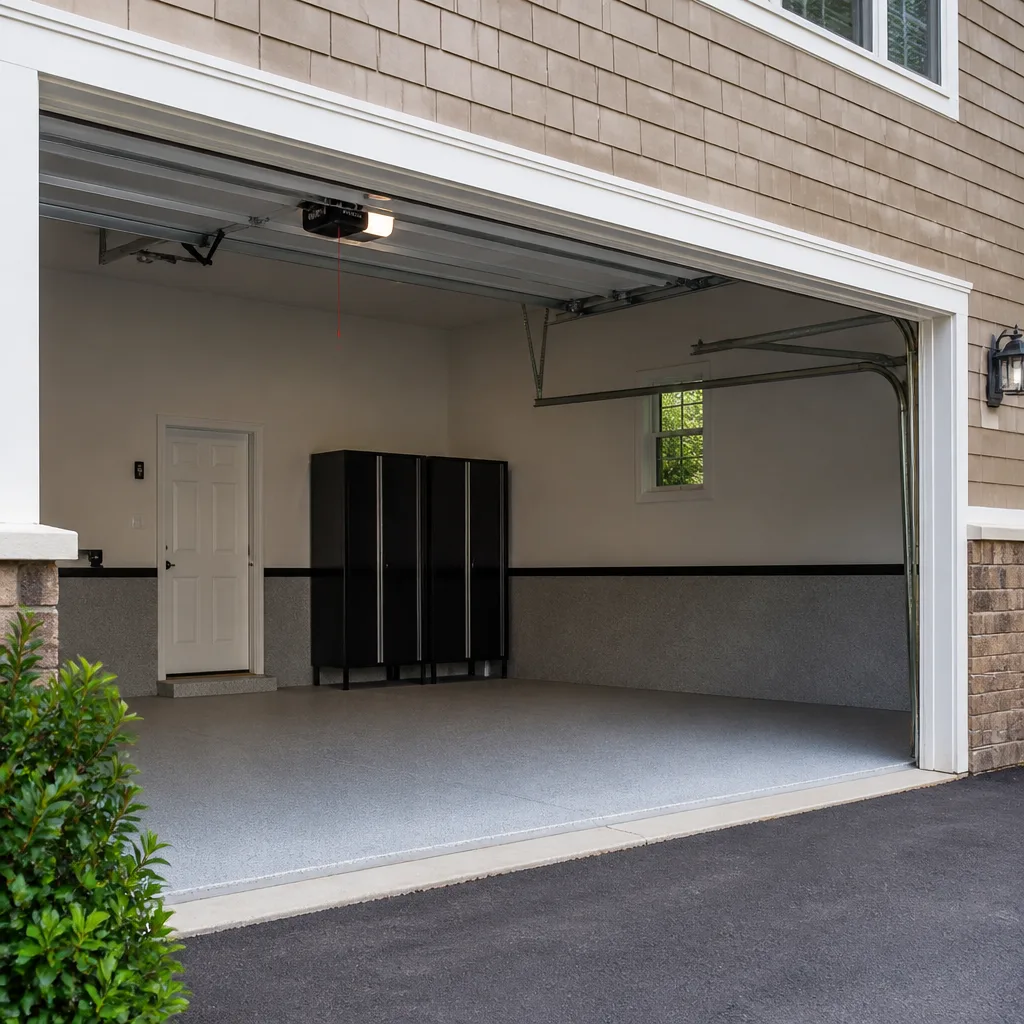 LiftMaster openers
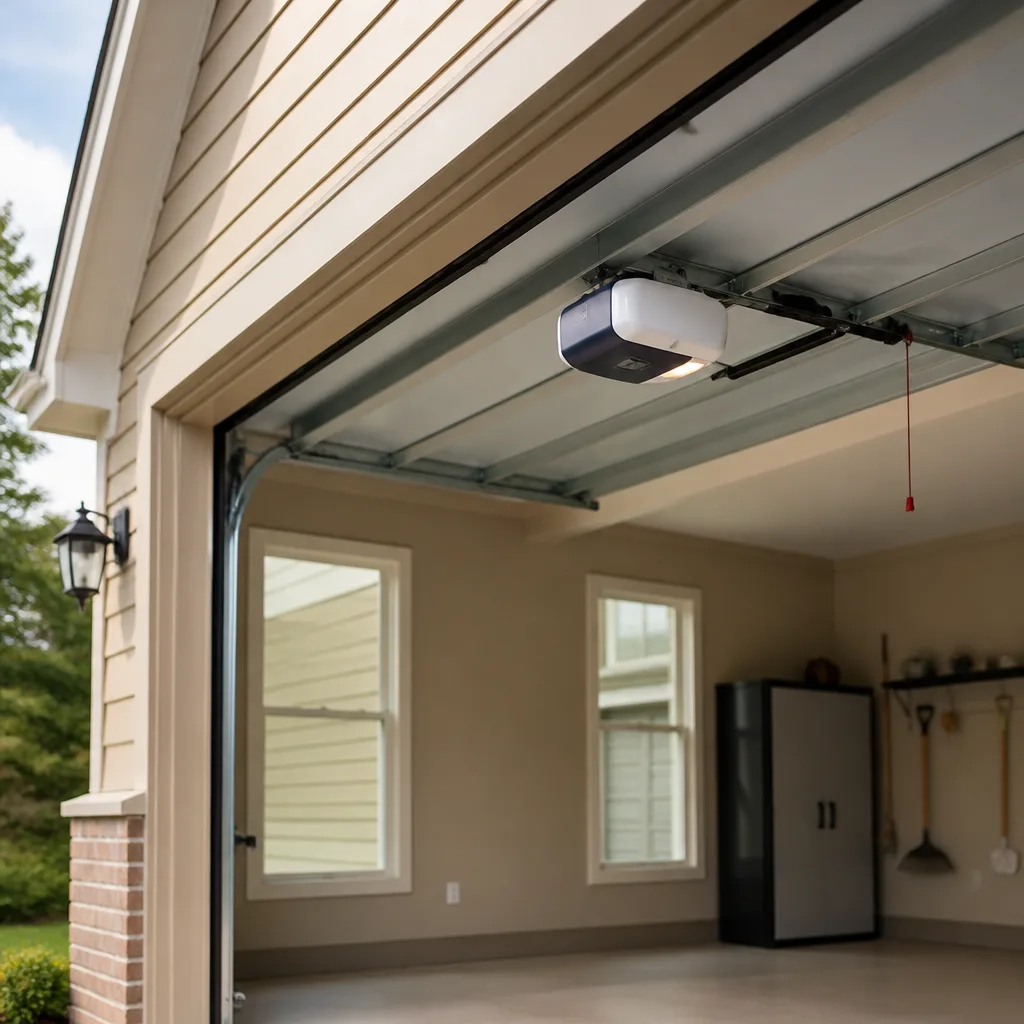 Chamberlain openers
Full 25-point door and opener safety check with every visit - springs, cables, rollers, tracks, and your LiftMaster or Chamberlain opener included
You get a price before we start. It does not change when the pro arrives.
Get your free estimateSeasonal Garage Door Care for Geist: Year-Round Homeowner’s Guide
Lubricating your springs in July feels productive. It won’t stop the January morning when the grease has stiffened, the temperature has dropped into the teens, and the door lurches up six inches and stops. That’s the misconception this guide corrects: garage door maintenance isn’t a single checklist you run through once a year. Indiana’s four seasons stress different parts of your door in different ways, and the tasks that actually prevent failures are the ones timed to the season causing the stress. Geist sits in a pocket of central Indiana where freeze-thaw cycles, reservoir humidity, and summer heat each leave their mark on a specific component. What follows is a month-by-month map of what to check, when, and why.
Quick Answer
Seasonal garage door care in Geist means matching maintenance tasks to the season that causes the wear: seal and spring tension checks in October before the first freeze, balance testing in fall to catch a year of accumulated wear, bottom-seal inspection during the March-April thaw, and cable and hardware inspection in summer when humidity is highest. The single highest-value habit is a fall balance test, because it reveals problems before winter cold amplifies them.
Styles & brands we work with
- Raised-panel steel
- Carriage house
- Modern flush
- Full-view glass
- LiftMaster openers
- Chamberlain openers
Table of Contents
- Why Seasonal Care Matters More in Geist Than in Milder Climates
- Fall: The Balance Test That Catches a Year of Wear
- Pre-Winter (October): Spring Tension, Seals, and the Cold-Weather Checklist
- Winter Operation: Normal Sluggishness vs. an Overworking Opener
- Spring Thaw (March-April): Seal and Threshold Damage After Freeze-Thaw
- Summer: Humidity, Cable Corrosion, and What to Look For
- Brand-Specific Notes: Clopay, Amarr, Wayne Dalton, and Craftsman
- Common Mistakes to Avoid
- When to Call a Professional
- Frequently Asked Questions
Why Seasonal Care Matters More in Geist Than in Milder Climates
Geist sits on the edge of a reservoir, and that geography shapes your garage door’s life in ways a homeowner a few miles north or south doesn’t experience. The water moderates temperature slightly but adds humidity year-round, which matters most in July and August. Meanwhile, central Indiana’s winters deliver repeated freeze-thaw cycles: ground temperatures hover near freezing for weeks, thawing during the day and refreezing at night. Each cycle moves the ground under your driveway slab, and your bottom seal takes the punishment.
The components that fail first in this climate are predictable:
- Bottom seals and thresholds – flex and crack from repeated freeze-thaw heave under the door opening
- Torsion springs – lose effective tension as steel contracts and lubricants thicken in cold weather
- Cables – the zinc coating that protects the wire core degrades faster in sustained high humidity
- Opener motors and logic boards – work harder in winter when door resistance rises, and heat-stress in summer
- Rollers and hinges – stiffen with cold and dry out in summer, both of which increase friction
The good news is that each of these has a window where a quick inspection prevents the expensive version of the repair. The rest of this guide walks through those windows in order, starting with fall, because fall is when you prepare the system for its hardest test. When something does fail, our Garage Door Repair Geist team handles the repair and can walk you through what to expect.
Fall: The Balance Test That Catches a Year of Wear
If you do one maintenance task this year, make it the fall balance test. It’s the single check that reveals accumulated wear from the whole year – spring tension loss, cable stretch, roller drag – before winter cold multiplies all three. A door that’s slightly out of balance in October becomes a door that won’t stay up and might damage the opener by January.
Here’s how the balance test works:
- Close the door and pull the manual release cord to disconnect it from the opener.
- Lift the door by hand to about waist height and let go. A balanced door should stay in place, neither falling nor rising on its own.
- Raise the door to shoulder height and release again. Repeat the check at three heights across the travel.
- If the door drifts down at any point, the springs have lost tension. If it drifts up, they’ve gained it.
- Reconnect the opener only after the door balances or after a technician adjusts the springs.
One important caution: the balance test tells you whether the springs need adjustment, but it doesn’t authorize you to adjust them. Torsion springs are under extreme tension, and the tools and technique required to safely adjust them are not standard homeowner equipment. If the door fails the balance test, that’s a call for a trained technician, not a DIY project. We handle spring service as a core part of our work, and the reason is simple: it’s the most dangerous job on the door. Our technicians have up to 12 years of experience reading spring condition and setting tension correctly. If your door fails the balance test, call (855) 846-4618 for a free estimate.
Do this test in late September or early October, after summer heat has finished working on the springs and before the first hard freeze. That gives you a window to schedule any necessary spring repair before the cold sets in.
Pre-Winter (October): Spring Tension, Seals, and the Cold-Weather Checklist
Once temperatures drop below 40°F, garage door behavior changes. Steel contracts, lubricants thicken, and the door’s effective resistance rises. A torsion spring that was perfectly tensioned in August may now leave the door feeling heavy. The springs aren’t failing; the cold has simply changed the operating conditions. This is why October is the month to check tension and seals, before the first deep freeze locks in the harder conditions.
What typically needs attention as temperatures fall:
- Spring tension adjustment – a quarter-turn adjustment is often what’s needed to restore proper lift when the door feels heavy in cold weather. Never attempt this yourself; it’s a technician’s job.
- Bottom seal inspection – check for cracks, compression set, and gaps at the corners. Cold makes old rubber brittle.
- Weatherstripping on the sides and top – look for gaps that let cold air into the garage, which raises heating costs and can freeze pipes.
- Lubrication refresh – apply a cold-rated lubricant to hinges, rollers, and tracks. The right lubricant for July is often the wrong one for January.
- Opener force settings – check that the opener isn’t at its force limit. If the door is heavier in cold, the opener needs headroom to compensate.
Geist driveways in particular take a beating this time of year. The ground under a concrete slab near the reservoir can heave as moisture works its way into the subbase and freezes, which pushes the threshold up or tilts the slab slightly. Your bottom seal follows that movement. A seal that was flush in September may show a gap on one corner by November. Catch it early and it’s a seal replacement; let it go and the gap lets in cold air, water, and eventually pests.
This is also the right month to have a technician review the whole system. Our garage door repair service includes a full inspection, and because we stock parts directly, most seal and hardware replacements get done in the same visit rather than waiting on an order.
Winter Operation: Normal Sluggishness vs. an Overworking Opener
Winter garage door work feels different, and that’s normal – to a point. Cold thickens lubricant, stiffens rollers, and makes the door heavier. An opener pushing a heavier door will sound different: a slightly deeper motor tone, a fractionally slower start, maybe a soft thunk instead of the usual smooth glide. That’s normal sluggishness. The question is where normal ends and an overworking opener begins.
Here’s how to tell the difference at the control panel:
- Normal: The door opens smoothly but with a slightly heavier sound. It completes the full travel without stopping. The opener light comes on and off as usual.
- Overworking: The door reverses before reaching the top. The opener light flashes a diagnostic code. The motor sounds strained or labored. The door seems to “struggle” at a particular point in the travel.
- Motor overheating: The opener runs for a stretch, then stops mid-cycle and refuses to continue for a minute or two. This is a protective shutdown, not a glitch.
If the opener reverses or flashes a code, the door is encountering resistance it doesn’t expect. That resistance can come from frozen seals, stiff rollers, a misaligned track, or a spring that’s lost tension in the cold. The fix isn’t to crank up the force setting – that masks the problem and stresses the motor. The fix is to identify and eliminate the resistance. A LiftMaster or Chamberlain unit with a diagnostic LED panel can tell you which safety sensor or limit switch is triggering, which is genuinely useful information for a technician.
One thing winter does not do: it does not require an emergency response at 3 a.m. If your door fails in the cold, we answer 24/7 and book you into the next available dispatch window, fast dispatch from 7am to 7pm, Sunday through Friday. We’re closed Saturday. If the door is stuck open or the opener is dead, calling in the morning gets a technician out the same day in most cases. A door that’s stuck shut with the car inside is worth calling about, but the repair itself is measured and scheduled – no dispatch is faster or more expensive at odd hours.
For a closer look at what happens when a LiftMaster, Chamberlain, or Genie unit stops behaving in the cold, our garage door opener repair page walks through the diagnostic process.
Spring Thaw (March-April): Seal and Threshold Damage After Freeze-Thaw
By March, the ground under your driveway has cycled through freeze and thaw dozens of times. Each cycle lifts the subbase slightly and drops it again. Your concrete slab moves with it, and your garage door threshold takes the direct hit. The damage that shows up in March and April was caused in January and February, which is why the thaw is when you inspect for it.
Geist’s freeze-thaw patterns leave specific damage signatures:
- Crushed or deformed bottom seals – the rubber flattens where the threshold is highest and gaps where it’s lowest
- Corner gap creep – a gap at one or both bottom corners where the slab has tilted slightly
- Threshold separation – the concrete lip pushed up and away from the door opening, leaving a visible gap
- Cracked seal ends – rubber that split at the points where it flexed hardest
- Water intrusion marks – rust stains or mineral lines on the floor inside the door, telling you water is getting past the seal
What to do with what you find:
- Walk the full width of the door from the inside and look for daylight under the seal. Daylight is a failed seal.
- Run your hand along the seal’s contact edge. It should be pliable, not brittle. Cracks are a replacement trigger.
- Look at the concrete threshold slab for visible cracks, tilt, or separation from the foundation.
- If the concrete itself is damaged, that’s a concrete repair, not a garage door repair. Our scope starts at the seal and the door. A concrete contractor handles the slab.
- If only the seal is worn, replacement is straightforward and worth doing before summer rain and heat make the gap a bigger problem.
This is where our parts stocking matters. Bottom seals are a common Geist replacement item in spring, and having a range of seal profiles on hand means the repair happens in one visit, not three. If your seal has failed, call (855) 846-4618 for a free estimate.
Summer: Humidity, Cable Corrosion, and What to Look For
Geist’s reservoir location means summer humidity stays elevated here in a way it doesn’t in drier parts of central Indiana. That matters most for your cables. The zinc coating on a garage door lift cable is there to protect the steel wire core from moisture. Sustained high humidity slowly degrades that zinc, and once it’s compromised, moisture reaches the wire core and the cable begins to rust from the inside out.
What to look for during summer inspection:
- White or grey powdery residue on the cables – zinc corrosion product; the coating is doing its job but wearing down
- Reddish-brown discoloration – rust on the wire itself, meaning the zinc is compromised
- Fraying or bird-caging – individual wire strands separating or breaking, an imminent failure sign
- Stiff, sticky drum rotation – a sign the cable is dragging as much as lifting
Cable inspection is a hands-off job. The lift cables are under the same tension as the springs, and a cable that breaks under load is dangerous. If you see rust, fraying, or a cable that’s left its drum, stop operating the door and call a technician. Do not try to inspect the cable by moving it or pulling on it.
Summer is also when rollers and hinges dry out. Rollers that spin freely in May can stick in July if their lubricant has evaporated. A dry roller that resists instead of rolling wears the track and adds strain to the opener. This is also when the opener’s logic board is under heat stress from both the ambient temperature and running a heavier summer door. A Craftsman or Genie unit that runs hot to the touch on the opener housing is worth a look. Our team works on eight major residential brands and can diagnose the unit directly; garage door installation is the only path when the opener itself is at end of life.
One summer task that pays off: check the door’s hardware for loose bolts. Heat expansion can loosen bolts in a way cold doesn’t, and a rattling door is a sign that the hardware is working itself free. A socket set and fifteen minutes handles the check; anything more involved is a technician call.
Brand-Specific Notes: Clopay, Amarr, Wayne Dalton, and Craftsman
Every brand has its own failure patterns, and knowing them changes what you check in each season. A quick orientation:
- Clopay – a widely installed brand in Geist, and its panel and section construction holds up well. The failure points tend to be the bottom seal and the hinges, which are the same on almost any door but get specific wear in this climate.
- Amarr – another common residential brand, and often paired with LiftMaster or Chamberlain openers. Amarr’s heavier insulated models put more load on the springs, so spring tension checks matter more here as the season turns.
- Wayne Dalton – its torque-master style spring systems (where present) behave differently in cold weather than standard torsion setups. If you’re not sure what’s on your door, a technician can identify it.
- Craftsman – common opener brand on older installations. The diagnostic codes on Craftsman and Chamberlain units are often the fastest route to understanding a winter symptom.
We work on all eight major residential brands: Clopay, Amarr, Wayne Dalton, Craftsman, LiftMaster, Chamberlain, Genie, and Raynor. There’s no referral runaround for a particular brand – the same team handles your diagnosis, parts, and repair. That matters most in the seasonal work because the parts we need to fix a March seal or an October spring are the same regardless of the brand on your door.
Common Mistakes to Avoid
- Treating maintenance as a single annual event. A spring check in July tells you little about January. The tasks are season-specific in this climate; doing them all in one session is better than nothing but misses the timing that prevents failures.
- Adjusting torsion springs yourself. This is the most dangerous mistake on the list. The springs are under extreme tension and the wrong tool or technique can cause serious injury. Balance-testing tells you when to call; it doesn’t authorize you to adjust.
- Cranking up the opener force setting to fix a heavy door. A door that’s heavy in cold weather is signaling a spring or resistance problem. Raising the force setting masks the problem and accelerates motor wear. Fix the resistance, not the symptom.
- Ignoring a bottom seal gap through the thaw. A gap that appears in March lets moisture into the garage all spring and summer, which accelerates corrosion on hardware and floor damage. The seal is inexpensive to replace; the downstream damage isn’t.
- Skipping the fall balance test. It’s the single best five-minute check on the calendar. Skipping it means starting winter with an unknown balance condition and letting one season of wear turn into a repair.
- Assuming a rusted cable is safe because the door still opens. Cables rust from the inside out. A door that still opens on a compromised cable is one operation away from a failure that’s much worse than a mid-range repair.
- Waiting for the opener to fail before looking at the door. Most “my opener died” calls are actually door problems the opener was compensating for. The door is the system; the opener is the motor. Check the door first.
When to Call a Professional
Most seasonal maintenance is inspect-and-observe: a homeowner can run the balance test, walk the seal, and look for cable corrosion. The line where you call a professional is where the work requires tools, tension, or height that a homeowner shouldn’t be managing. Call us if:
- The door fails the fall balance test and needs spring attention
- You see rust, fraying, or kinking on the lift cables
- The opener reverses, flashes a diagnostic code, or stops mid-cycle
- A torsion spring is visibly broken or the door won’t lift past a few inches
- The bottom seal needs replacement and you want it done in a single visit
- The door is at end of life and you’re weighing repair against replacement
Garage Door Repair Geist offers free estimates in Geist – call (855) 846-4618. Our technicians have up to 12 years of experience, and the written estimate sets the final price before any work starts. Estimates are free, the price is agreed before we begin, and we can work with your insurer if a repair is part of a claim.
Frequently Asked Questions
The fall balance test. Disconnect the opener and lift the door by hand to see whether it stays in place at multiple heights. A door that drifts is showing accumulated wear from the whole year, and catching it in October gives you time to schedule spring work before winter cold amplifies the problem. Call (855) 846-4618 for an exact quote if the test fails.
You can lubricate the hinges and rollers, but leave the springs to a technician. Torsion springs are under extreme tension, and the wrong lubricant or the wrong technique can compromise them. A light application of a cold-rated lubricant by a technician is safer and more effective than any homeowner effort. A technician can also check tension while there.
Mild sluggishness is normal in cold weather because lubricants thicken and steel contracts. Trouble signs are reversal, diagnostic codes, or a motor that sounds labored. If the door reverses or the opener light flashes a code, the door is hitting resistance it doesn’t expect; call (855) 846-4618 and we’ll diagnose it. We answer 24/7, and fast dispatch runs from 7am to 7pm, Sunday through Friday.
Freeze-thaw heave pushes the ground under your Geist driveway up and down repeatedly, and the seal takes the flex. A seal that was flush in fall develops gaps by spring because the concrete moved. The fix is a fresh seal; if the concrete itself is cracked or separated, that’s a separate concrete repair. Call for a free estimate and we’ll tell you which it is.
Once a year, timed to the fall, catches most problems before winter. Fall inspection covers balance, springs, seals, cables, and opener settings in one visit. If your door is over a decade old, or you’ve noticed changes in how it sounds, an extra summer inspection for cable corrosion is worth doing.
Yes. We service all eight leading residential brands: LiftMaster, Chamberlain, Genie, Clopay, Amarr, Wayne Dalton, Craftsman, and Raynor. Because we stock parts directly, most seasonal repairs get done in the same visit rather than waiting on an order. Call (855) 846-4618 for an estimate.
The Bottom Line
Seasonal garage door care in Geist isn’t a checklist you run once. It’s a climate-timed routine: the fall balance test catches a year of wear, October pre-winter checks set springs and seals for the cold, winter monitoring tells you whether the opener is overworking, the March thaw exposes seal damage, and summer humidity inspection catches cable corrosion before it reaches the wire. Run those five checks and you’ll prevent most of the repair calls we get. Skip them and the components will find you anyway – usually in a cold January morning when you’re trying to leave. Call (855) 846-4618 for a free estimate. We answer 24/7. Fast dispatch from 7am to 7pm, Sunday through Friday.
Written by the team at Garage Door Repair Geist.
See the difference
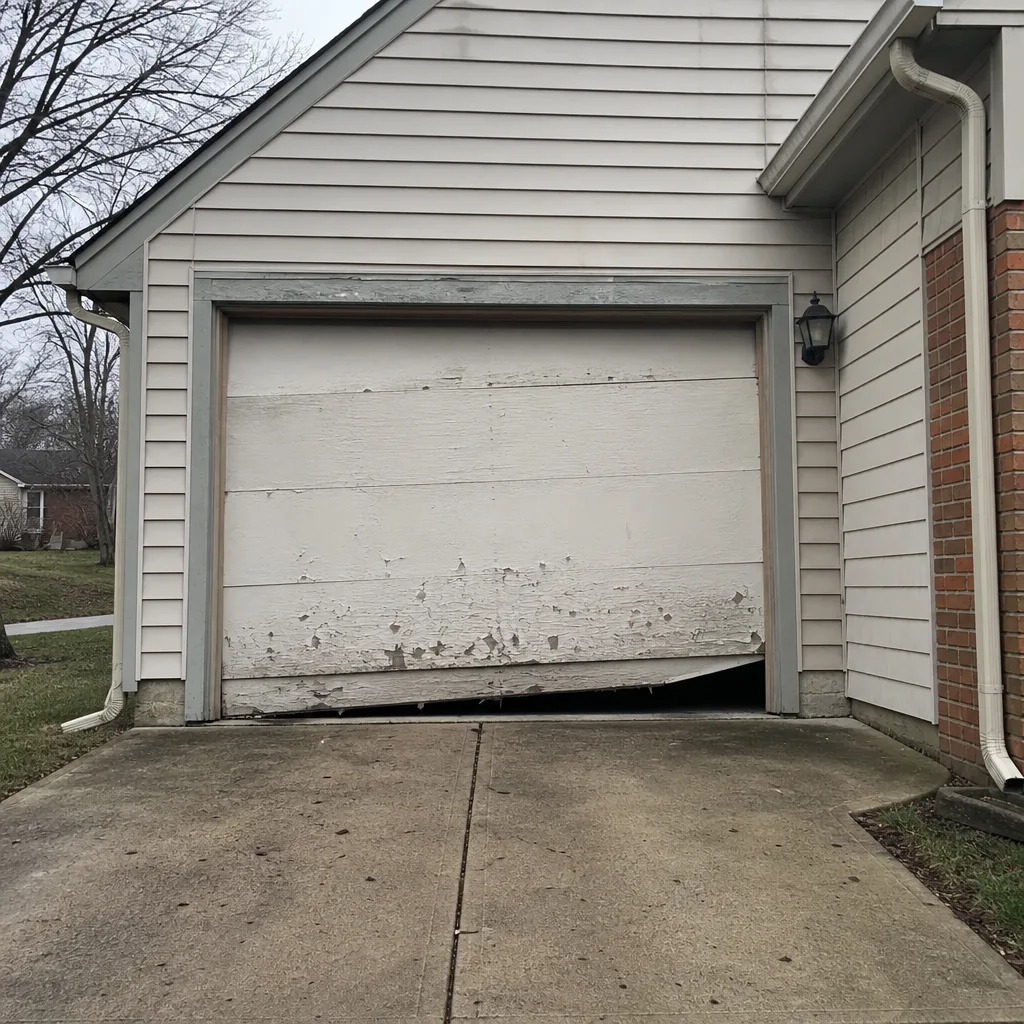 Before
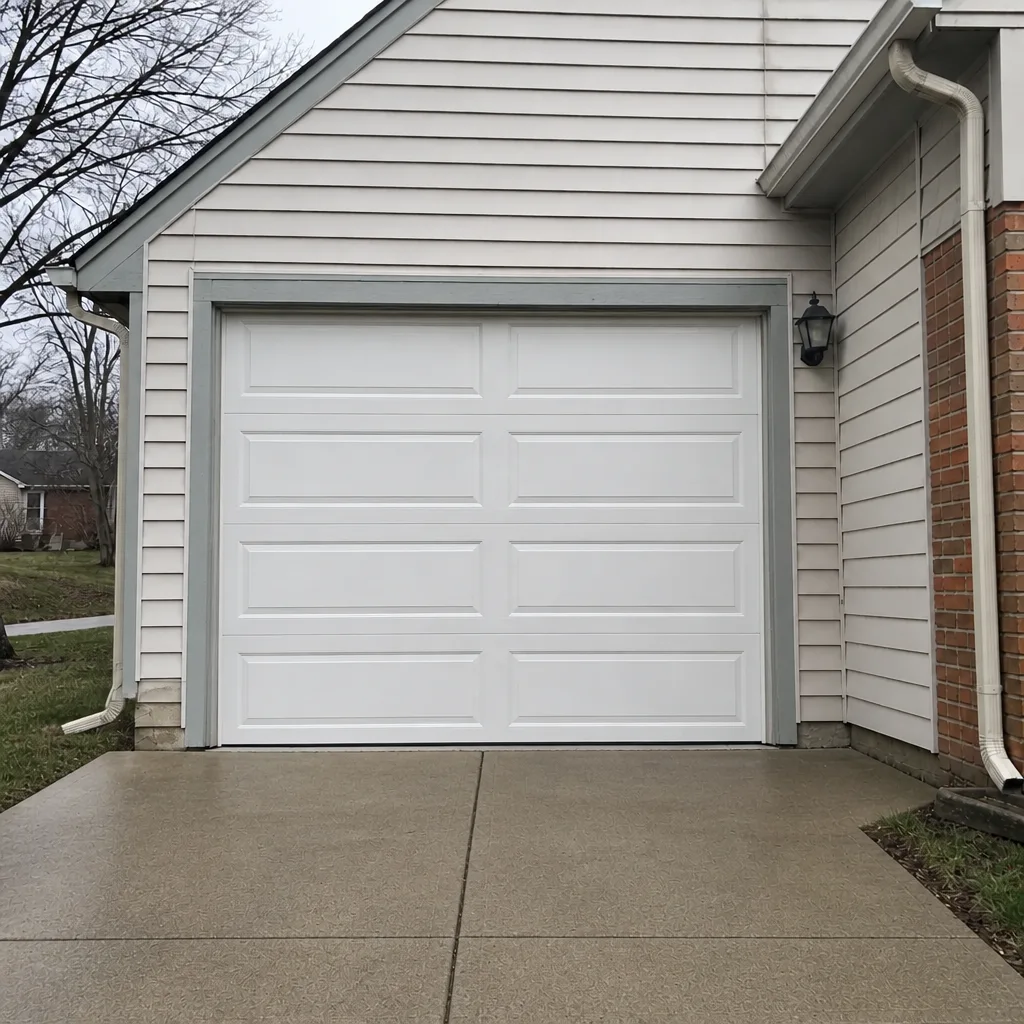 After
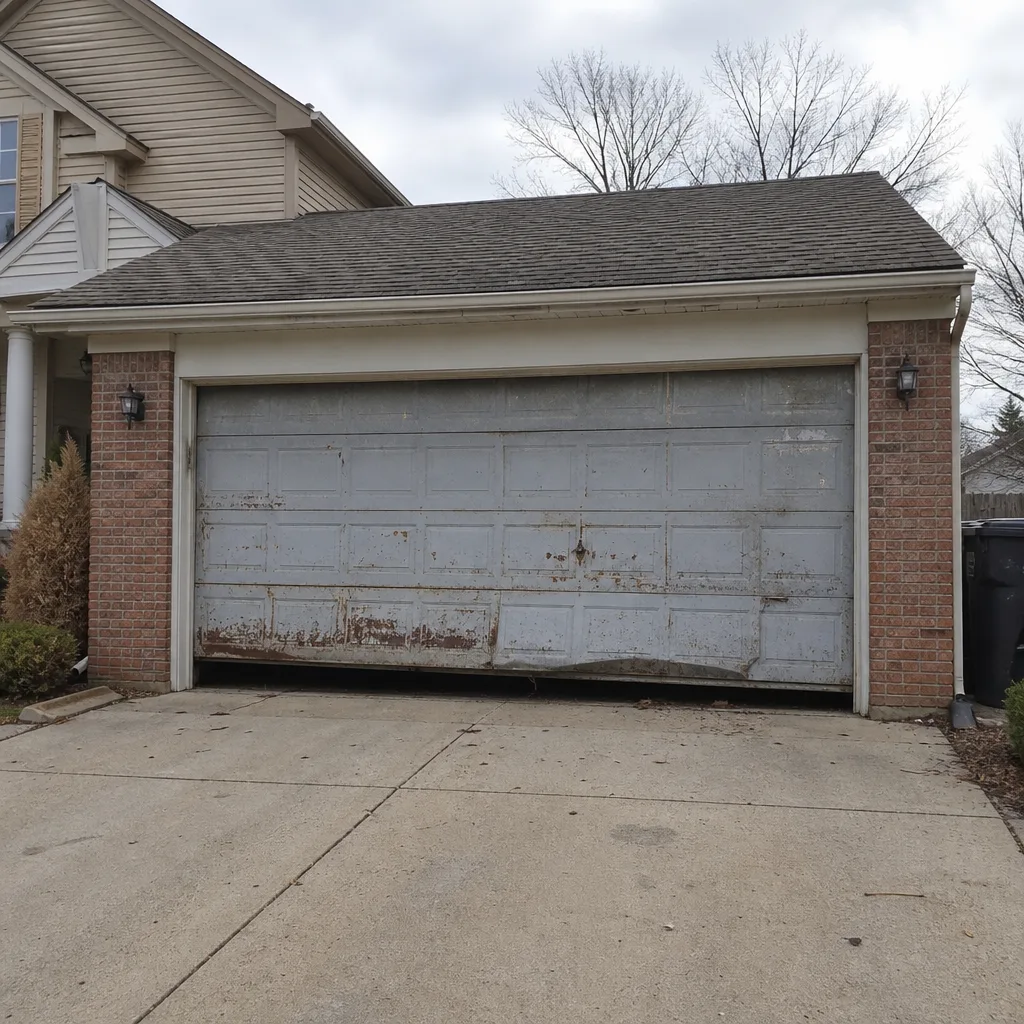 Before
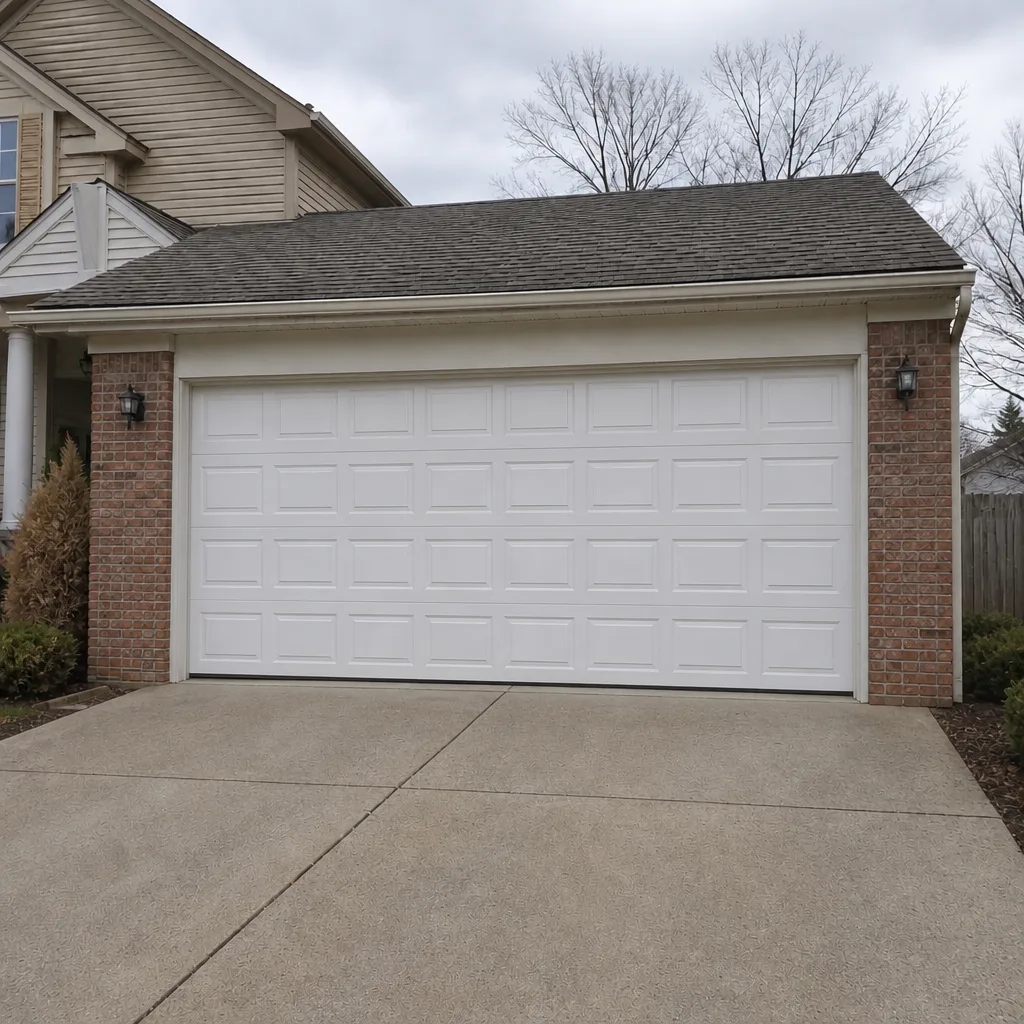 After
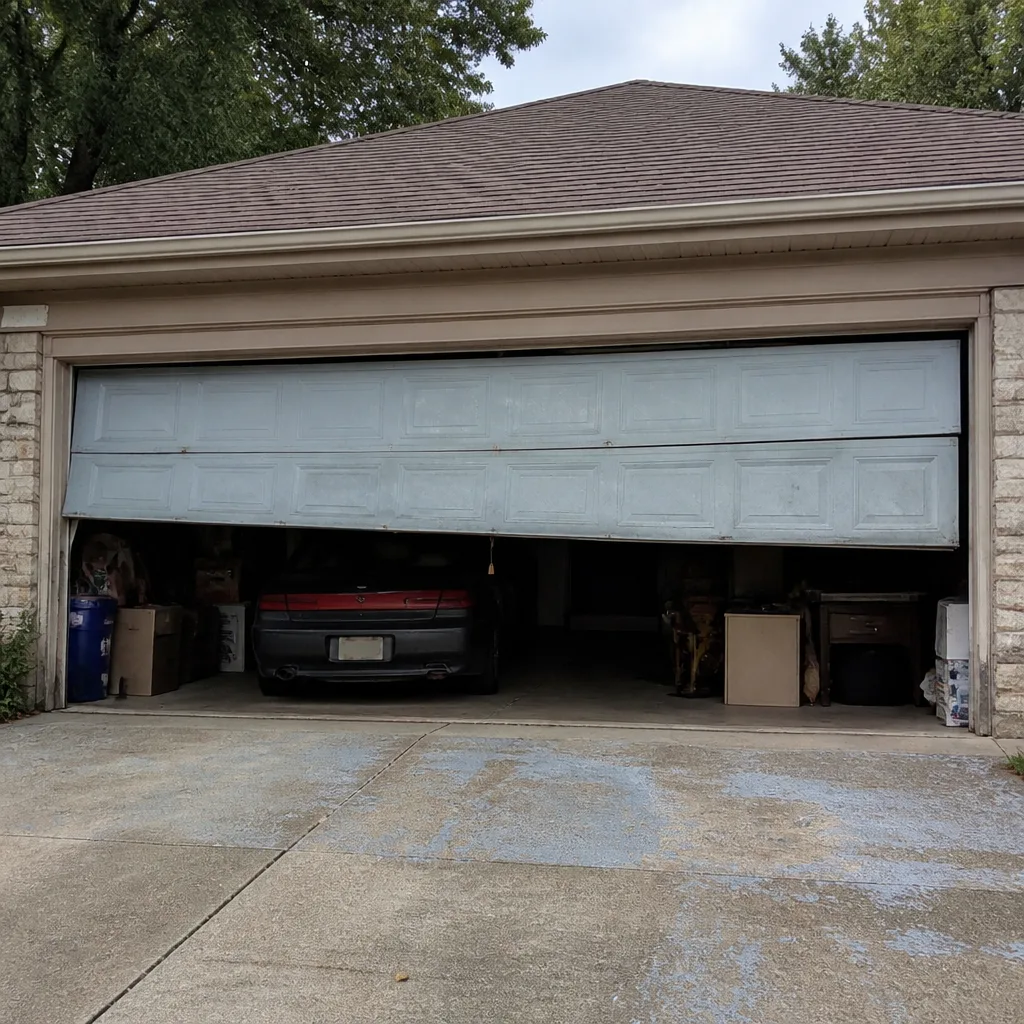 Before
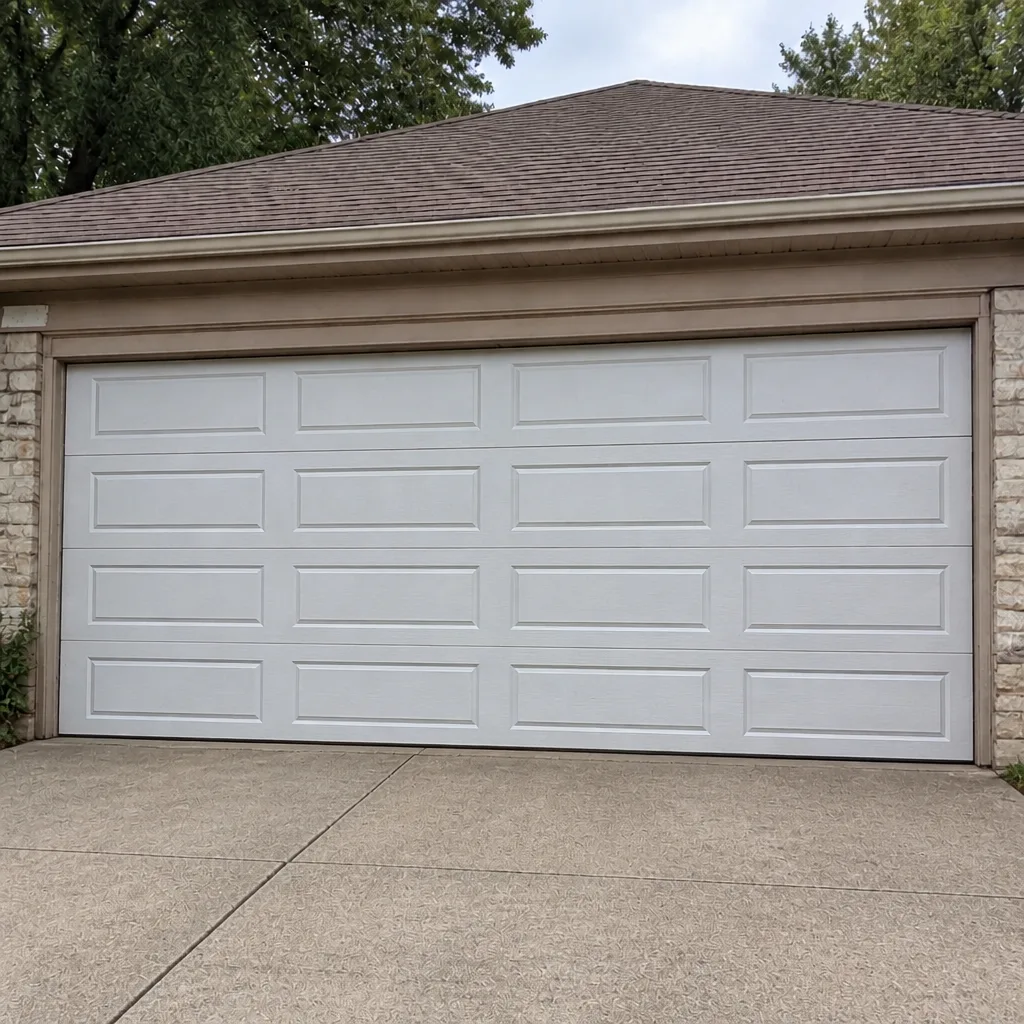 After