
Last updated November 20, 2026
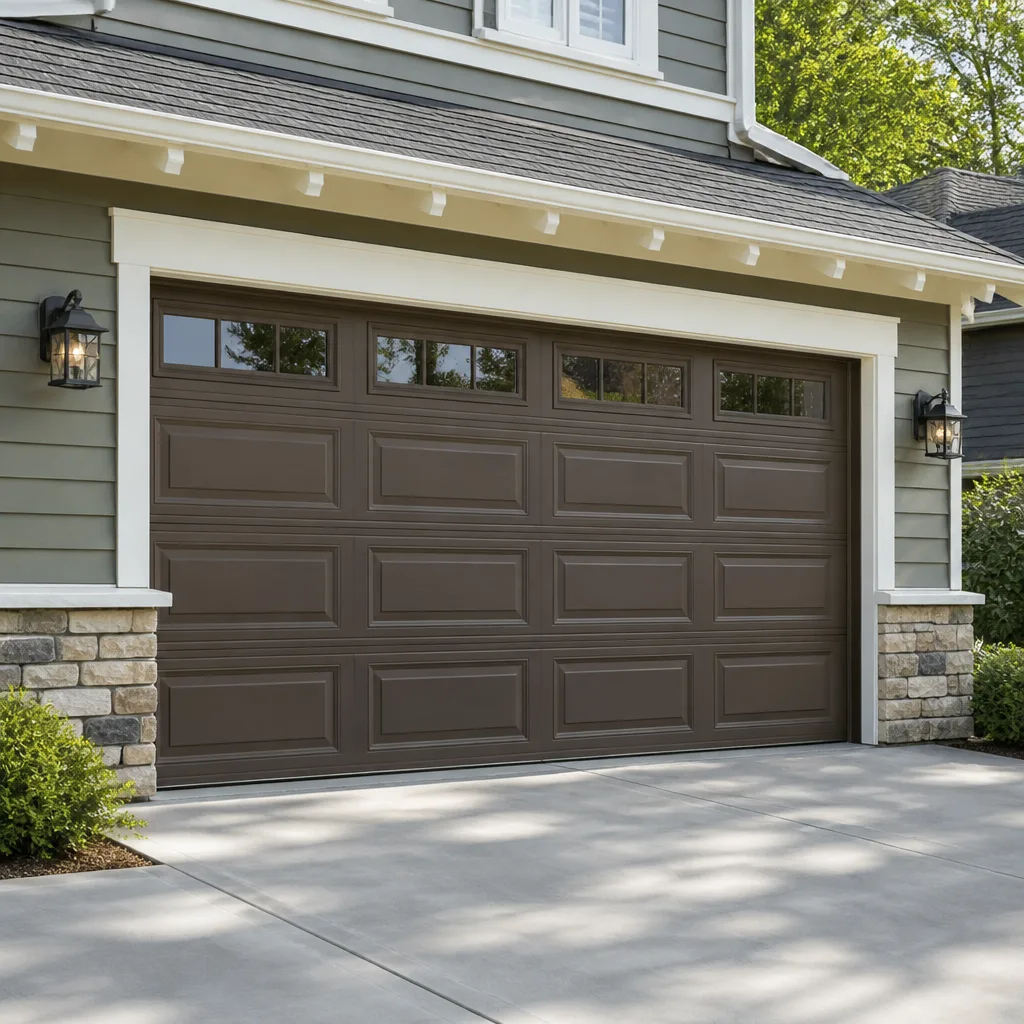 Raised-panel steel
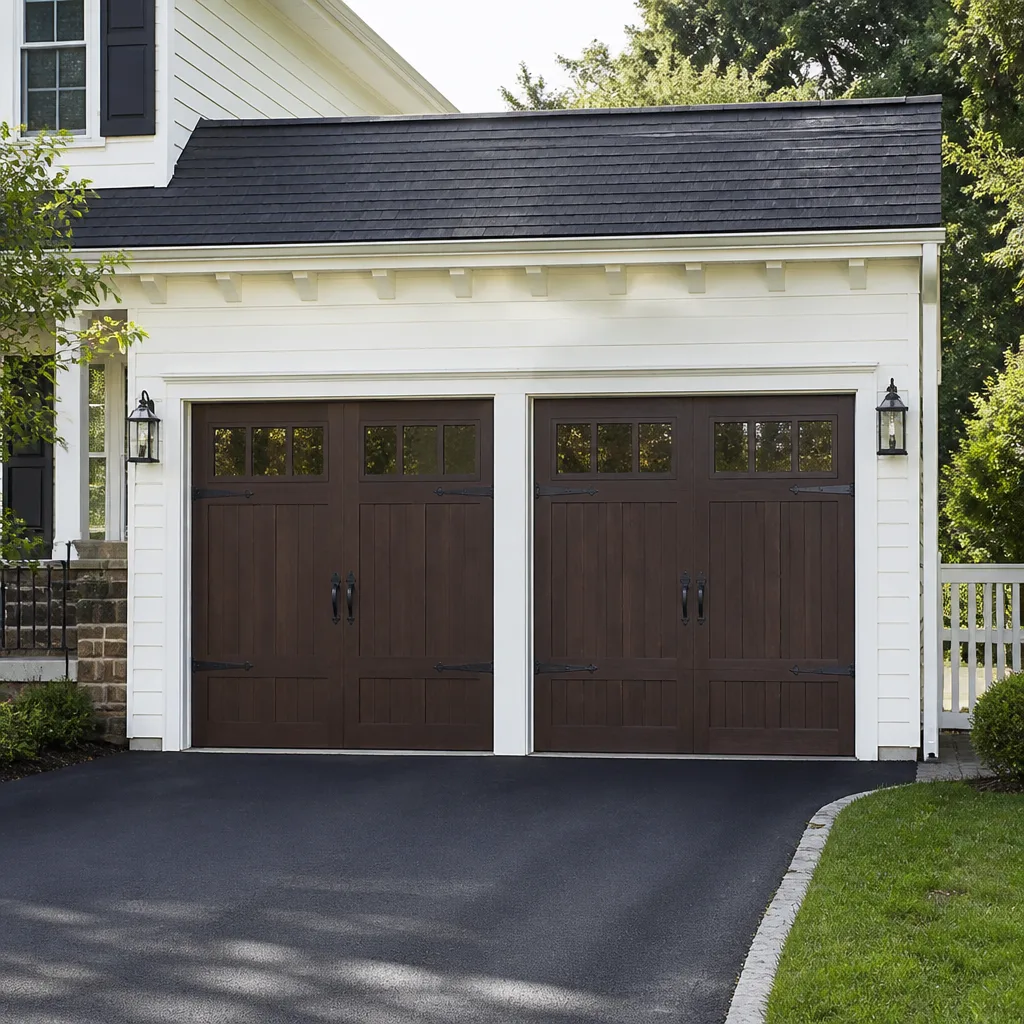 Carriage house
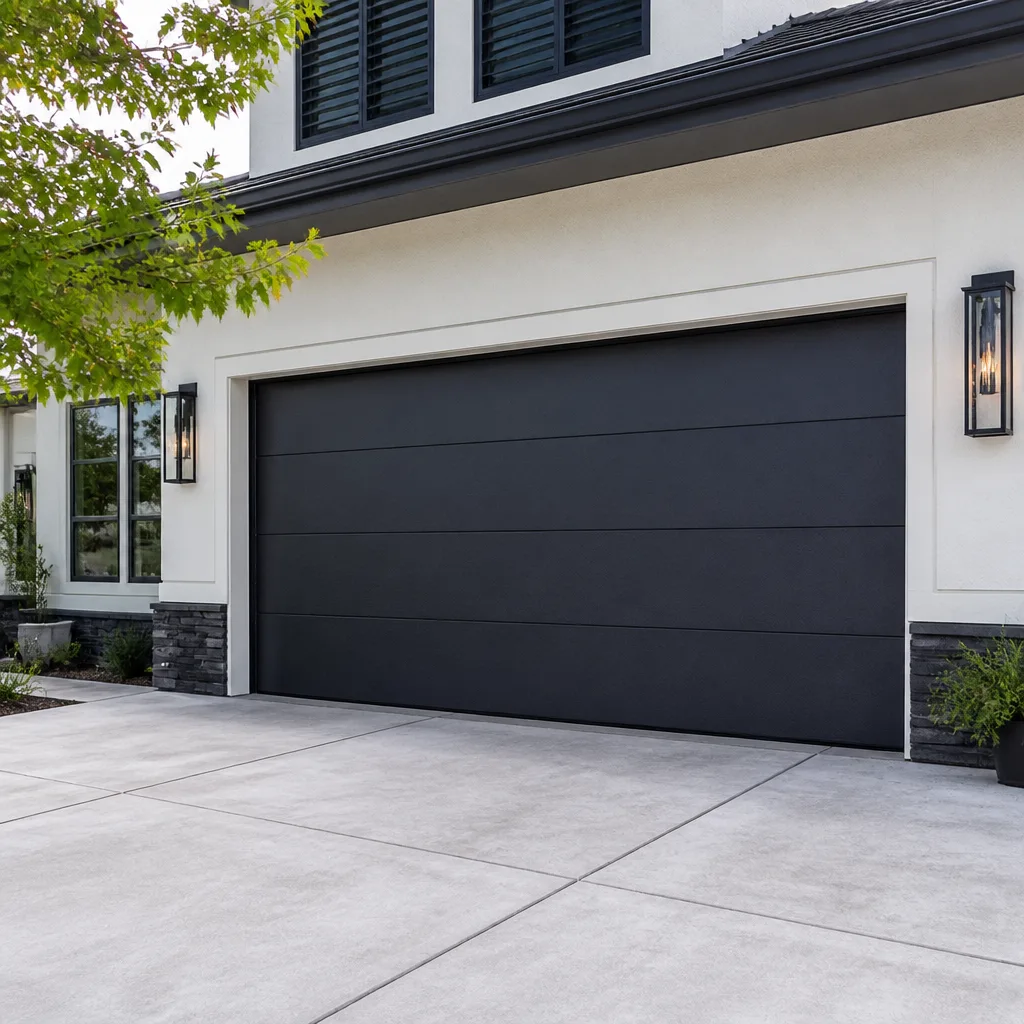 Modern flush
 Full-view glass
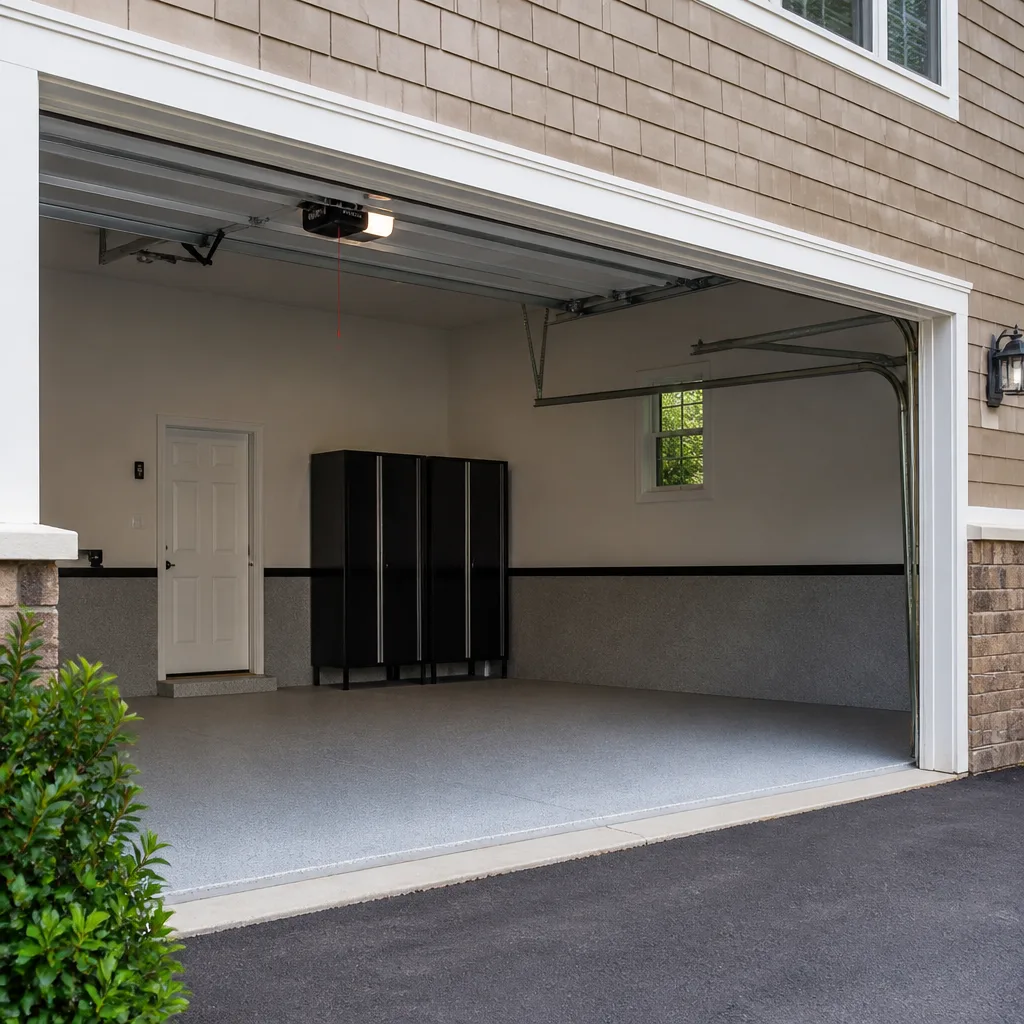 LiftMaster openers
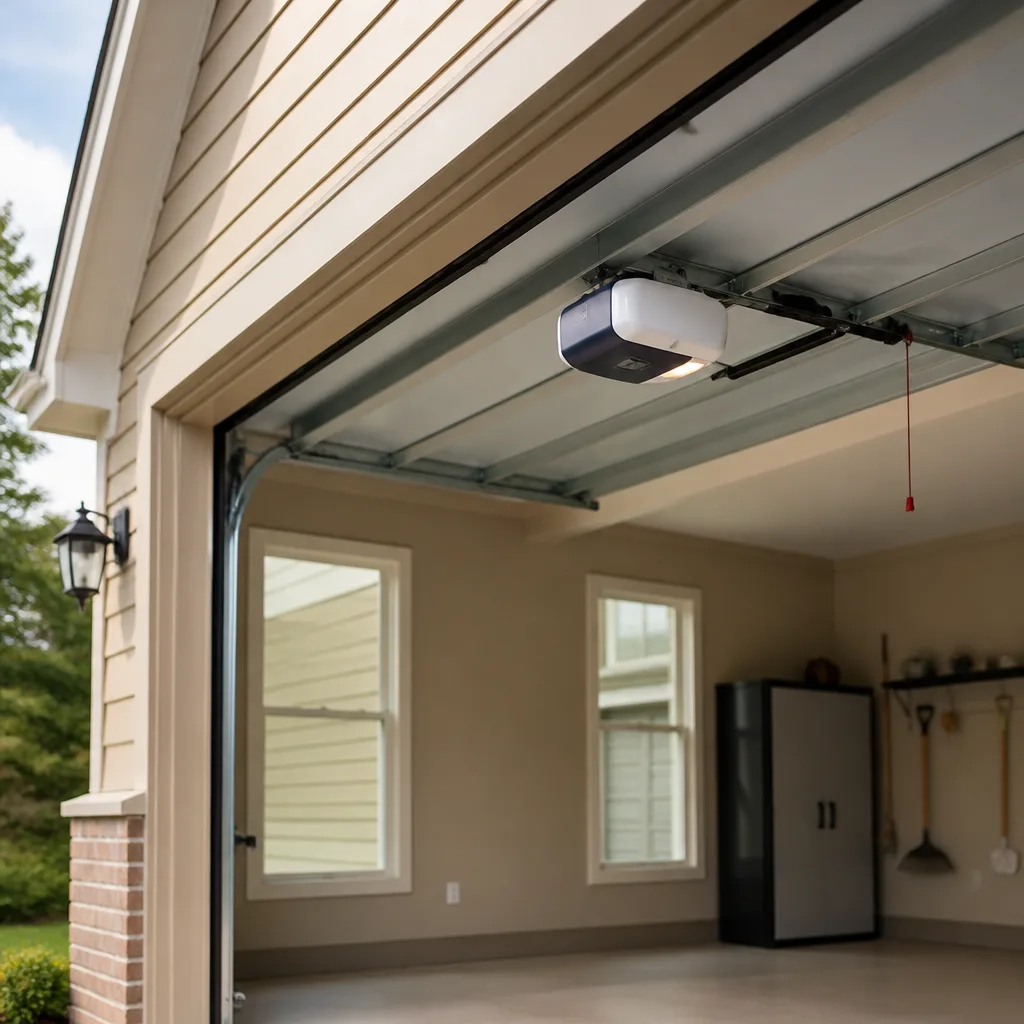 Chamberlain openers
Full 25-point door and opener safety check with every visit - springs, cables, rollers, tracks, and your LiftMaster or Chamberlain opener included
You get a price before we start. It does not change when the pro arrives.
Get your free estimateHow to Hire a Garage Door Contractor in Geist: A Step-by-Step Guide
Indiana doesn’t issue a state license specifically for garage door installation. That means the person who shows up to adjust your torsion spring may have learned the trade properly, or may have watched a few videos and decided to try. The difference matters most on the jobs nobody sees coming: a snapped spring at 6 a.m., an opener that quits on a Sunday, a door that slams shut instead of lowering. In this guide, we walk Geist homeowners through exactly how to screen a contractor before writing a check – what to ask, what a real estimate looks like, and which red flags should send you looking elsewhere. No scare tactics. Just the questions that separate a specialist from a guesser.
Quick Answer
Hire a garage door contractor in Geist by verifying insurance first, then testing trade depth with specific technical questions about spring sizing, cable drums, and cycle ratings. A true specialist answers these without hesitation, quotes in writing after measuring your door, and carries or can source the exact parts your system needs. If a contractor can’t explain how they size a spring for your door, keep looking.
Styles & brands we work with
- Raised-panel steel
- Carriage house
- Modern flush
- Full-view glass
- LiftMaster openers
- Chamberlain openers
Table of Contents
- Why “Licensed and Insured” Is Table Stakes, Not a Differentiator
- How to Tell a Garage Door Specialist from a Handyman
- The Technical Questions That Reveal Real Expertise
- How to Read a Garage Door Estimate in Geist
- Red Flags Specific to Garage Door Work
- Local Specialists vs. National Franchise Dispatch
- A Step-by-Step Hiring Checklist
- Safety: What You Should Never Touch Yourself
Why “Licensed and Insured” Is Table Stakes, Not a Differentiator
Every contractor in Geist will tell you they’re licensed and insured. It’s the first thing on their website, the first thing they say on the phone. And it matters – you should absolutely verify it. But it does not tell you whether they know how to size a torsion spring correctly, and that knowledge is where the real risk lives.
Here’s the practical reality. Indiana regulates contractors at the local level, and garage door work specifically doesn’t carry a dedicated state license class. So “licensed and insured” for a garage door company usually means general business registration and liability coverage. Both are good. Neither proves trade competence. Insurance protects you if something goes wrong. It doesn’t tell you the technician won’t create the problem in the first place.
What you’re actually screening for sits in three places:
- Spring sizing experience. A torsion spring is matched to your door’s weight, height, and track configuration. Get it wrong and the door either won’t balance or the spring fails early. This is the single most common place a generalist stumbles.
- Brand familiarity. A LiftMaster opener and a Craftsman unit don’t behave the same way. Someone who works on garage doors daily knows the difference in rail assembly, travel limits, and force settings across brands.
- Parts sourcing. A specialist carries or can quickly get the right part. A generalist orders it and comes back next week.
So verify insurance first – it’s quick and it’s non-negotiable. Then move past it. The conversations that follow are where you learn whether you’re dealing with a garage door specialist or a multi-trade contractor who added doors to the menu. In Geist, where most homes were built with two- and three-car garages using standard 7-foot doors with torsion systems, a contractor who knows this housing stock cold will answer sizing questions in their sleep.
How to Tell a Garage Door Specialist from a Handyman
A handyman can install a shelf, patch drywall, and unclog a drain. A garage door is a different animal – a 200-plus pound counterbalanced mechanical system under continuous spring tension. The skills don’t transfer. Here’s how to sort one from the other before you hand over a deposit.
Ask what percentage of their work is garage doors. A specialist says all of it, because it is. A generalist gives you a list of other services. That’s not a knock on handymen – it’s just that you don’t want the person learning cable drum sizing on your door.
Watch how they talk about springs. Spring replacement is the most technically demanding and dangerous job in the trade. A real specialist treats it matter-of-factly and mentions the risk without prompting. A generalist gets vague or changes the subject.
Ask which brands they service. A dedicated company covers the major residential brands – LiftMaster, Chamberlain, Genie, Clopay, Amarr, Wayne Dalton, Craftsman, and Raynor. If they only handle one or two, they’ll refer you out and you’ll end up making multiple calls anyway. We work on all of these, so there’s no runaround when a Wayne Dalton door meets a Chamberlain opener.
Listen for the word “order.” Specialists stock parts or source them quickly. If every answer is “we’ll have to get that in,” you’re looking at days of downtime for a job that could finish in one visit.
A quick way to frame it: your door, our only trade. Ask any contractor you’re considering whether garage doors are their only trade. The answer tells you a lot.
The Technical Questions That Reveal Real Expertise
You don’t need to understand garage door mechanics to screen a contractor. You just need to ask the right questions and listen to how they answer. A specialist responds with confidence and detail. A generalist pauses, deflects, or gives a generic reply.
Here are the questions, roughly in order of how revealing they are:
- “How do you size a torsion spring for my door?” A specialist talks about door weight, height, and cycle life. They may ask what you have or want to measure. A generalist says something like “we match what’s there” without more detail – which is a problem if the original was sized wrong.
- “What cycle rating do you use for replacement springs?” Springs come in standard and high-cycle options. A real specialist knows the difference and will recommend based on how often you use the door. Silence here is a tell.
- “How do you determine cable drum size?” This is the question that separates the pros. Cable drums are matched to door height and track radius. Someone who works on doors daily answers instantly. Someone who doesn’t will stumble.
- “What’s the difference between torsion and extension springs, and which do I have?” Most Geist homes have torsion springs mounted above the door. A specialist knows instantly which system you have and can explain the maintenance implications of each.
- “Can you explain how you’ll set the opener force limits?” A LiftMaster and a Genie don’t use the same procedure. A specialist can walk through it for your specific unit.
You’re not grading the answers on technical accuracy – you probably won’t know if they’re right. You’re listening for fluency. A specialist sounds like they’ve had these conversations a thousand times. A generalist sounds like they’re recalling notes.
One more: ask what happens if the door fails after they leave. A specialist stands behind the work and can come back fast because they’ve got parts and knowledge on hand. That’s the accountability test, and it matters more than any credential.
How to Read a Garage Door Estimate in Geist
The estimate is where the real differences show up. A legitimate garage door quote is specific, itemized, and based on an actual measurement of your door. A vague one-liner is an invitation to upsell you once the technician is standing in your garage with the door apart.
Here’s what a detailed estimate should include:
- The specific part or repair, named clearly – not “spring fix” but the spring type, size, and cycle rating
- Labor and materials broken out (or at least the total clearly stated)
- Whether a matched pair of springs is being replaced – if one spring failed, the other usually isn’t far behind
- The brand and model if a part or opener is being replaced
- Any conditions – what could change the price and why
One pricing note worth understanding: spring prices are quoted per spring. A matched pair is usually replaced together, so if one fails, budget for two. A contractor who quotes a single range for “the springs” without clarifying the pair is giving you an incomplete picture.
Two more things to check on any estimate:
- Did they measure the door? A quote written without measuring your door, track, and opener is a guess. Ask directly: “Did you measure to size the spring?” If the answer is no, the price will likely change.
- Is the price firm? The written estimate is the price. You should hear that clearly, in writing, before work starts. The final price shouldn’t move once the door is apart unless the scope genuinely changes and you approve it.
Free estimates should be the norm. Any contractor who wants a fee just to look at the door and quote is asking you to pay for a sales call. Ask ahead of time what the estimate costs – the good answer is nothing.
Red Flags Specific to Garage Door Work
Some warning signs are universal. Others show up only in garage door work, and those are the ones to watch for in Geist.
- They quote without measuring. Spring sizing depends on door weight and height. A contractor who quotes from a photo or a phone description is guessing, and the guess will get corrected once they arrive – usually upward.
- They carry only one spring size. Springs come in many sizes for a reason. A contractor with a single size on hand is fitting your door to their inventory instead of the other way around.
- They can’t name your door’s cycle rating. The cycle rating describes how many open-close cycles a spring is built for. A specialist knows this matters and will recommend accordingly. A generalist looks blank.
- They push a full replacement on a repairable door. Sometimes a door is done. Sometimes it just needs a panel, a spring, or a bearing. A contractor who jumps to replacement before troubleshooting is either inexperienced or chasing a bigger ticket.
- They can’t explain the warranty. On parts and labor, the terms should be clear in writing before work starts. Vagueness here usually means you’re on your own if it fails.
- They can’t tell you what brand of opener you have. A specialist glances at it and knows. A generalist asks you to look.
None of these on its own is proof of a bad contractor. But two or three together, and you’ve learned what you need to know. The Geist market has plenty of good options – you don’t have to settle.
Local Specialists vs. National Franchise Dispatch
When you search for garage door repair, you’ll find two kinds of results: local specialists and national brands that dispatch technicians from a call center. Both can do the job. The difference shows up in response time, parts availability, and who actually shows up at your door.
Here’s how the two compare:
- Response time. A local specialist in Geist can usually get to you faster because they’re not routing a job through a national dispatch system. When your door is stuck open and your house is exposed, that matters.
- Parts availability. Local specialists stock parts or source them fast because they know the local housing stock. National dispatch services often rely on a technician’s van inventory, which may or may not cover your system.
- Accountability. A local company lives or dies by its reputation in the community. A national brand’s local technician may be a subcontractor with less at stake in your specific job.
- Continuity. If you need follow-up work, a local specialist can pick up where they left off. A national dispatch service starts from scratch each time you call.
That’s why we focus on Geist and the surrounding area. Our technicians have up to 12 years of experience, and all of that experience is concentrated on garage doors. We’re not splitting our training and inventory across plumbing, HVAC, and every other home service. One trade, done well, is the whole point.
When your opener quits on a Sunday and you need it working, call a company whose only job is garage doors. For that, see our garage door opener repair page.
A Step-by-Step Hiring Checklist
Here’s the process in order. Work through it top to bottom and you’ll have a clear picture of any contractor before you hire them.
- Verify insurance and business registration. Ask for proof of liability coverage. Confirm they’re a registered business. This is the floor, not the ceiling.
- Ask how they’ll size the repair. For springs specifically, ask how they determine size and cycle rating. Listen for fluency.
- Ask which brands they service. A specialist covers the major residential brands and doesn’t refer you elsewhere.
- Ask whether they stock parts. Same-visit repair is a sign of a real operation. “We’ll order it” means downtime.
- Request a written estimate. It should be itemized and based on measuring your door. No measurement, no quote.
- Confirm the price is firm and stated before work starts. The written estimate is the price. Get it in writing.
- Ask about warranty terms. Parts and labor, in writing, before they start.
- Check the after-service plan. What happens if the door fails after the repair? A good contractor answers that without hesitation.
That’s the whole screen. Most of it happens in a single phone call. The contractors worth hiring will appreciate the questions – it tells them you’re serious about getting the job done right. For a deeper look at what each service involves, our garage door repair page covers the common failures and fixes.
Safety: What You Should Never Touch Yourself
We’ll say this plainly because it matters: garage door torsion springs and cables are under extreme tension. A spring under load can cause serious injury if it releases. This is not a job to attempt with borrowed tools or a tutorial, and no honest specialist will walk you through the steps to do it yourself. The risk is real and the margin for error is small.
What you can safely check yourself:
- Whether the door looks balanced (raise it halfway by hand and let go – it should stay put)
- Whether the rollers and hinges look worn or loose
- Whether the safety reversal works (place an object in the door’s path and confirm it stops and reverses)
Anything involving the springs, cables, or the opener’s internal wiring belongs to a trained professional with the right tools. That’s not a sales line. It’s the reason spring replacement requires expertise rather than a general repair skill. If you’re unsure about any part of your system, call a specialist and let them assess it. You can also check our page on garage door installation if you’re weighing repair against replacement.
Common Mistakes to Avoid
- Hiring on price alone. The cheapest quote often skips the measurement or uses a spring that’s mismatched to your door. That savings disappears when the spring fails early.
- Not asking whether a spring pair is being replaced. If one spring broke, the other is the same age and likely near failure. Replace them together or you’ll be back on the phone soon.
- Accepting a quote over the phone without a measurement. In Geist, where doors are fairly uniform, contractors sometimes guess. Don’t let them guess on yours.
- Assuming “licensed and insured” means qualified. It’s the baseline, not the certificate. Ask the technical questions too.
- Paying a diagnostic fee without asking first. A free estimate is standard. Confirm before anyone drives out.
- Letting a contractor talk you into a full replacement before troubleshooting. Often a repair gets you years more from a door that’s still solid.
- Ignoring the opener brand. A LiftMaster and a Genie need different handling. Make sure whoever shows up knows yours.
See the difference
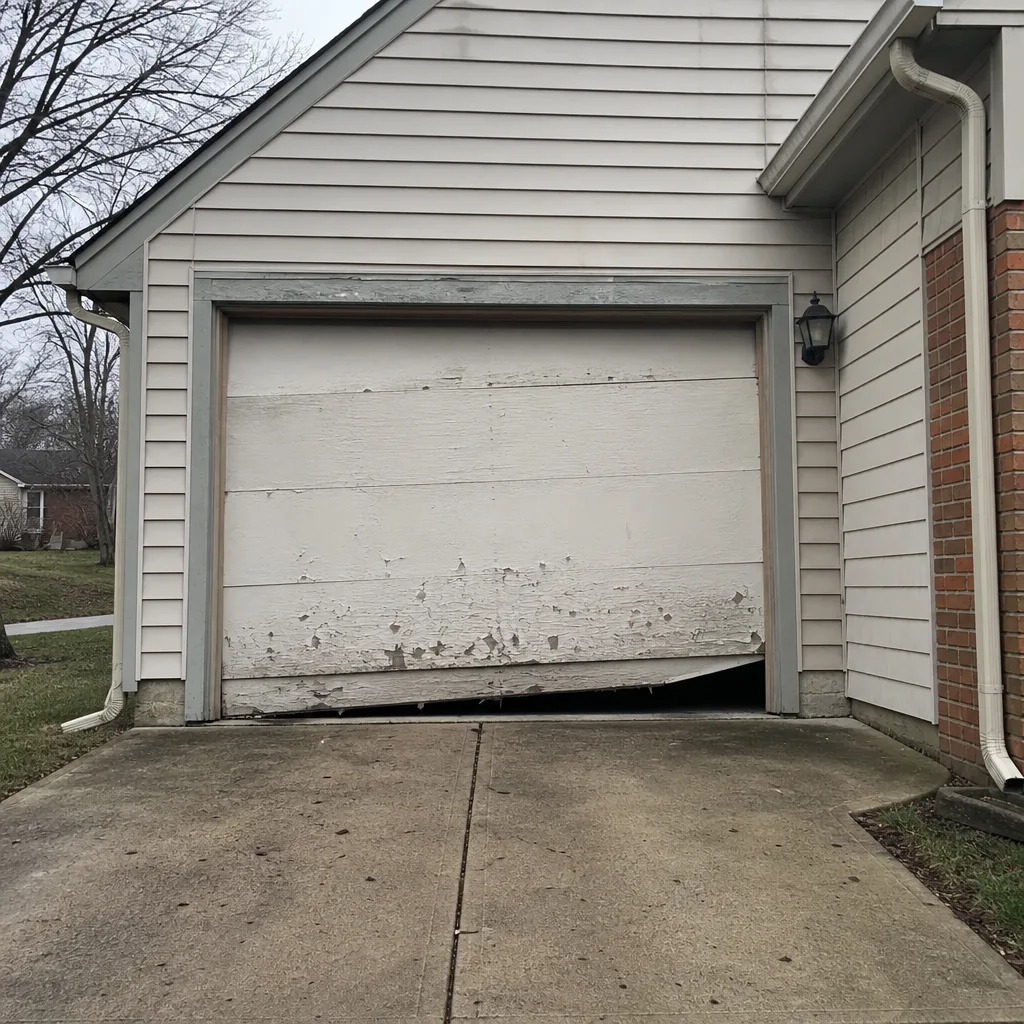 Before
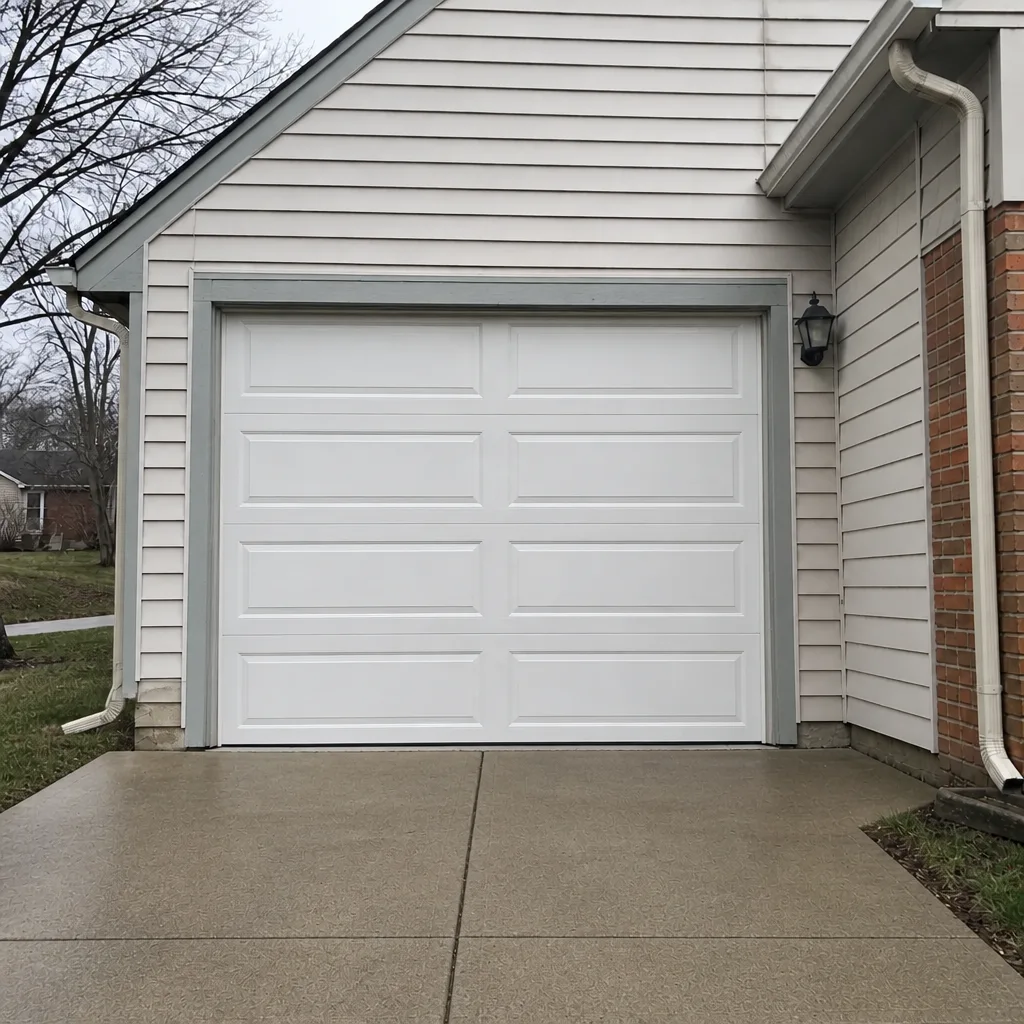 After
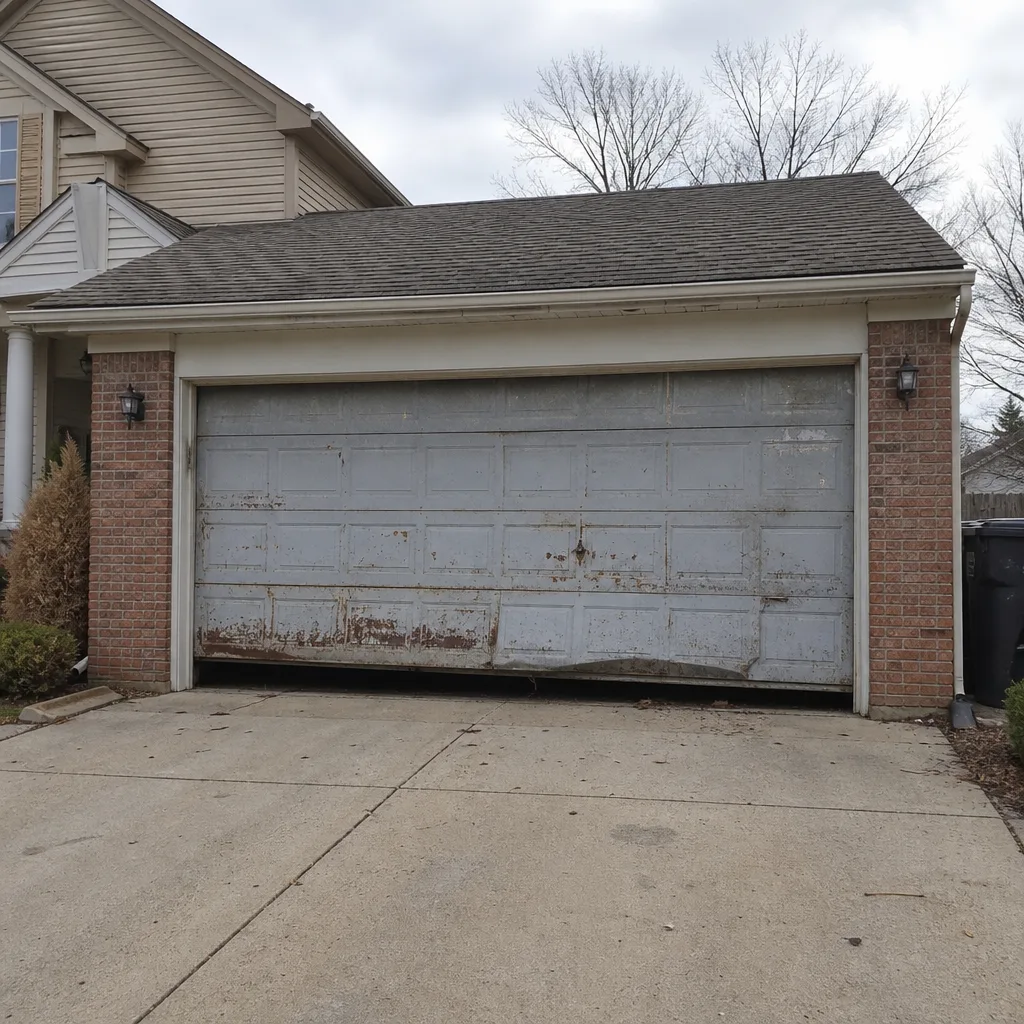 Before
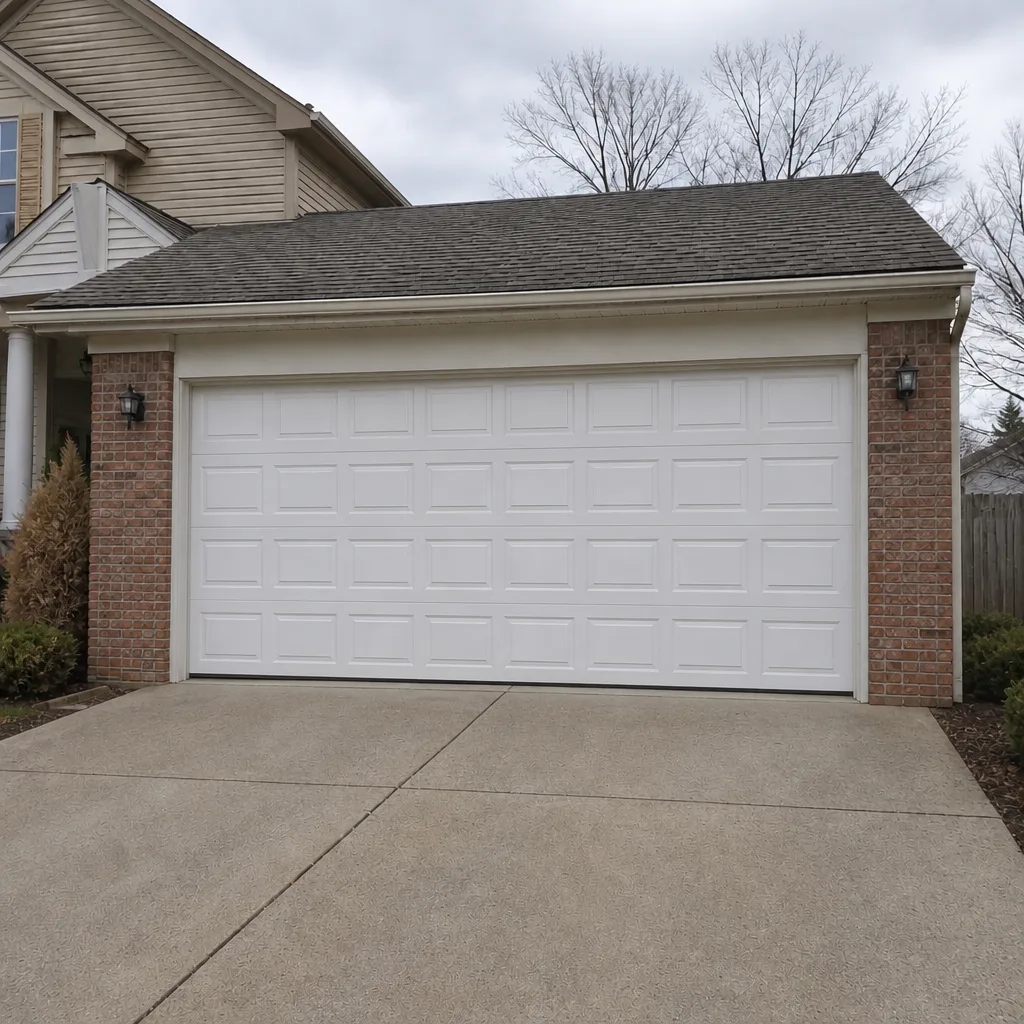 After
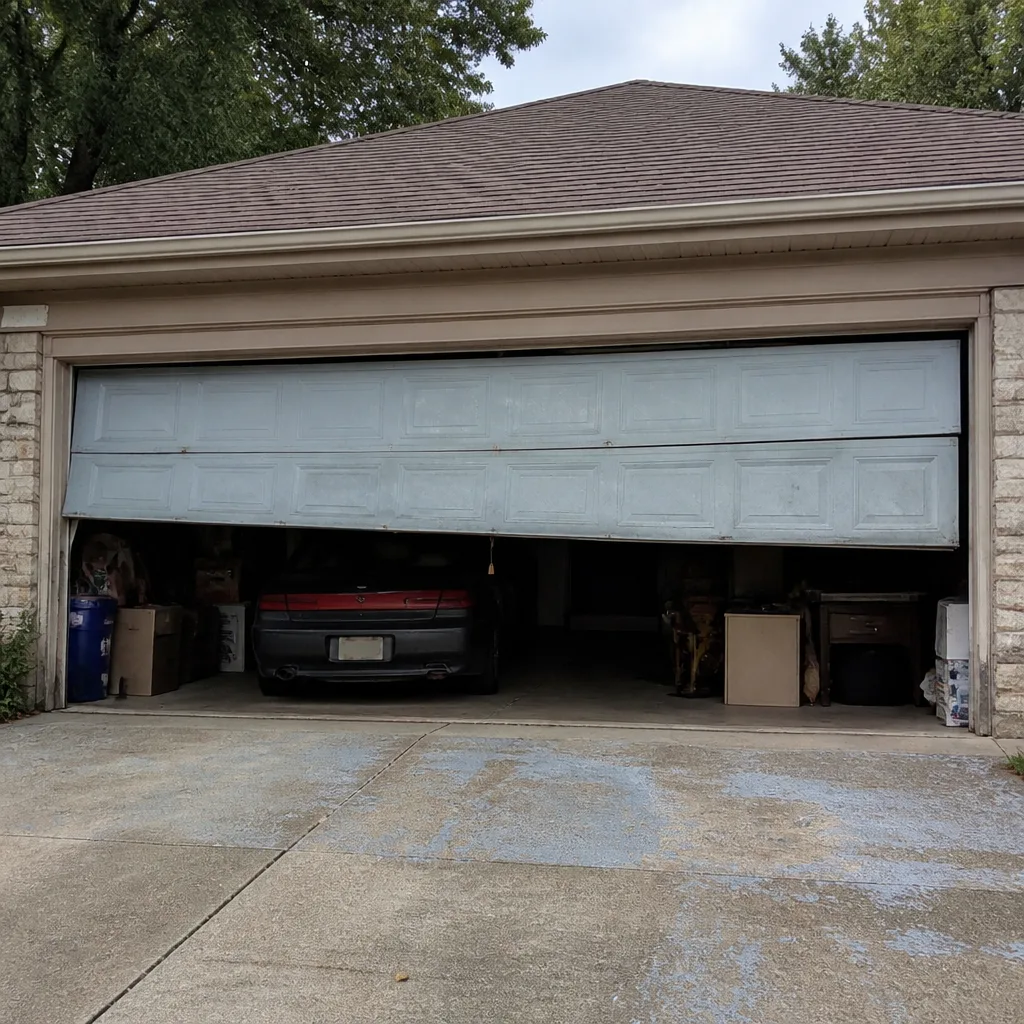 Before
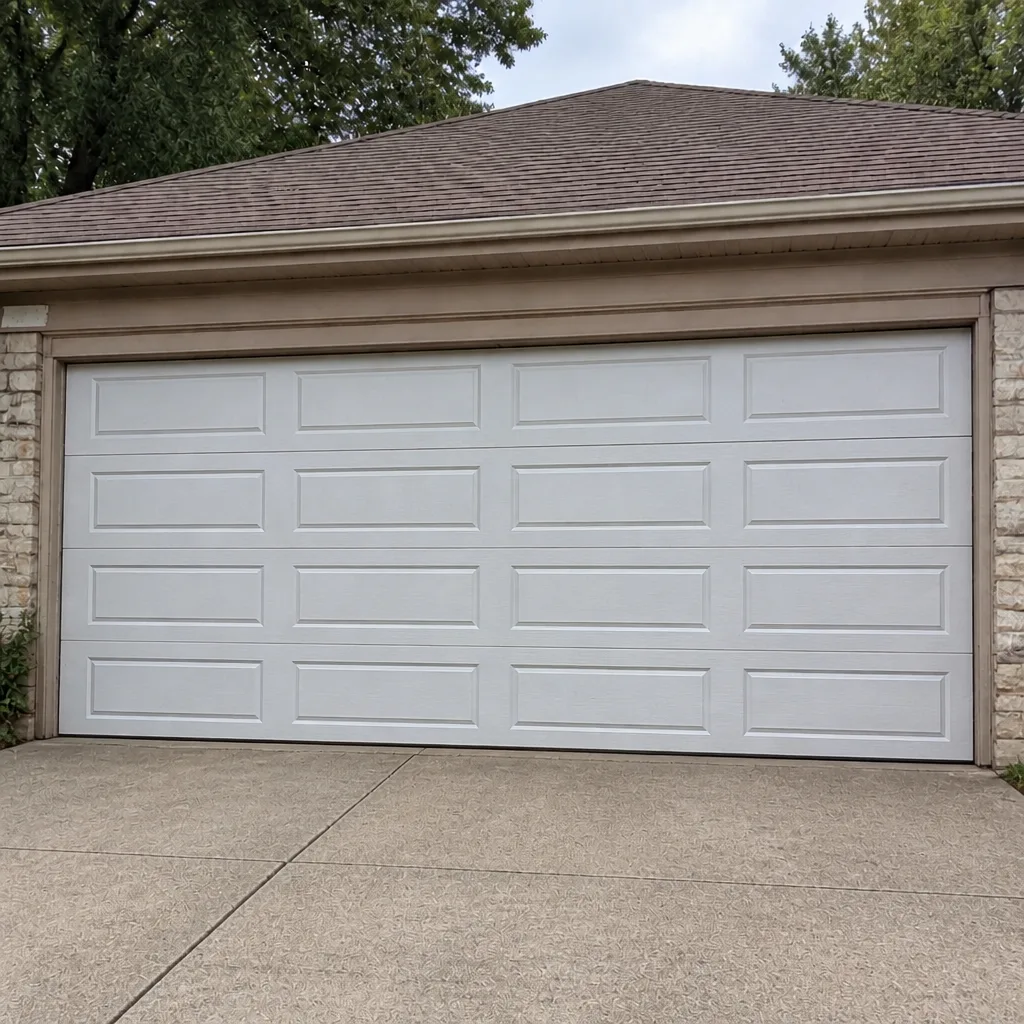 After
When to Call a Professional
Some garage door problems are obvious: a spring snaps, a cable goes slack, the door won’t open. Others build up quietly – a door that’s getting harder to lift by hand, an opener that hesitates, a small gap at the bottom that shouldn’t be there. When you notice any of these, call a professional rather than waiting for the failure. The most common trigger in Geist is a broken spring, since the temperature swings here are hard on metal under tension. An opener that won’t respond, a door that’s off its track, or a panel that’s been dented and no longer seals all belong on that list too. If the issue touches the springs, cables, or opener wiring, stop and call. Garage Door Repair Geist offers free estimates in Geist – call (855) 846-4618. We answer 24/7, with fast dispatch from 7am to 7pm, Sunday through Friday.
Frequently Asked Questions
Ask them to explain how they size a torsion spring and what cycle rating they recommend for your door. A specialist answers with specific detail about weight, height, and cycle life. A generalist deflects or gives a vague reply. Also ask what percentage of their work is garage doors – the right answer is all of it. If you want a specialist, call (855) 846-4618 and we’ll walk through your door’s setup over the phone.
Spring repair is priced per spring, and because springs are usually replaced in matched pairs, the pair costs more than one. The written estimate sets the final price, and you’ll get it in writing before any work starts. Call (855) 846-4618 for an exact quote – estimates are free.
Not safely. Torsion springs are under extreme tension, and the job requires the right tools, sizing knowledge, and technique. A handyman without garage door training shouldn’t attempt it, and you shouldn’t either. Spring replacement is the most technically demanding and dangerous job in the trade. Call a specialist – (855) 846-4618, estimates are free.
No, the written estimate is the price. A legitimate estimate is based on an actual measurement of your door, track, and opener, not a phone guess. If the scope genuinely changes once they’re on site, they should explain it and get your approval before proceeding. Call (855) 846-4618 to get a firm written estimate.
Ask for proof before you hire. Indiana doesn’t issue a garage door-specific state license, so coverage and business registration are the baseline – and you should verify both. Beyond that, trade competence is the real question, so ask the technical screening questions in this guide too. Call (855) 846-4618 with any questions about our service.
Repair is usually the right call unless the door is structurally compromised, the panels are heavily damaged, or the repair cost approaches replacement. A specialist can tell you which after looking at the door. Weighing that decision? Call (855) 846-4618 and we’ll give you a straight answer with a free estimate.
The Bottom Line
Hiring a garage door contractor in Geist comes down to one distinction: does this person work on doors, or is this a stop on their service list? Licensing and insurance are the floor. Beyond that, you’re screening for spring sizing knowledge, brand familiarity, parts sourcing, and accountability when something fails after the job. Ask the technical questions, insist on a measured written estimate, and confirm the price before work starts. The contractors worth hiring will welcome every one of those questions. For a team whose only trade is garage doors, call Garage Door Repair Geist at (855) 846-4618 for a free estimate. We answer 24/7, with fast dispatch from 7am to 7pm, Sunday through Friday.
Written by the team at Garage Door Repair Geist.